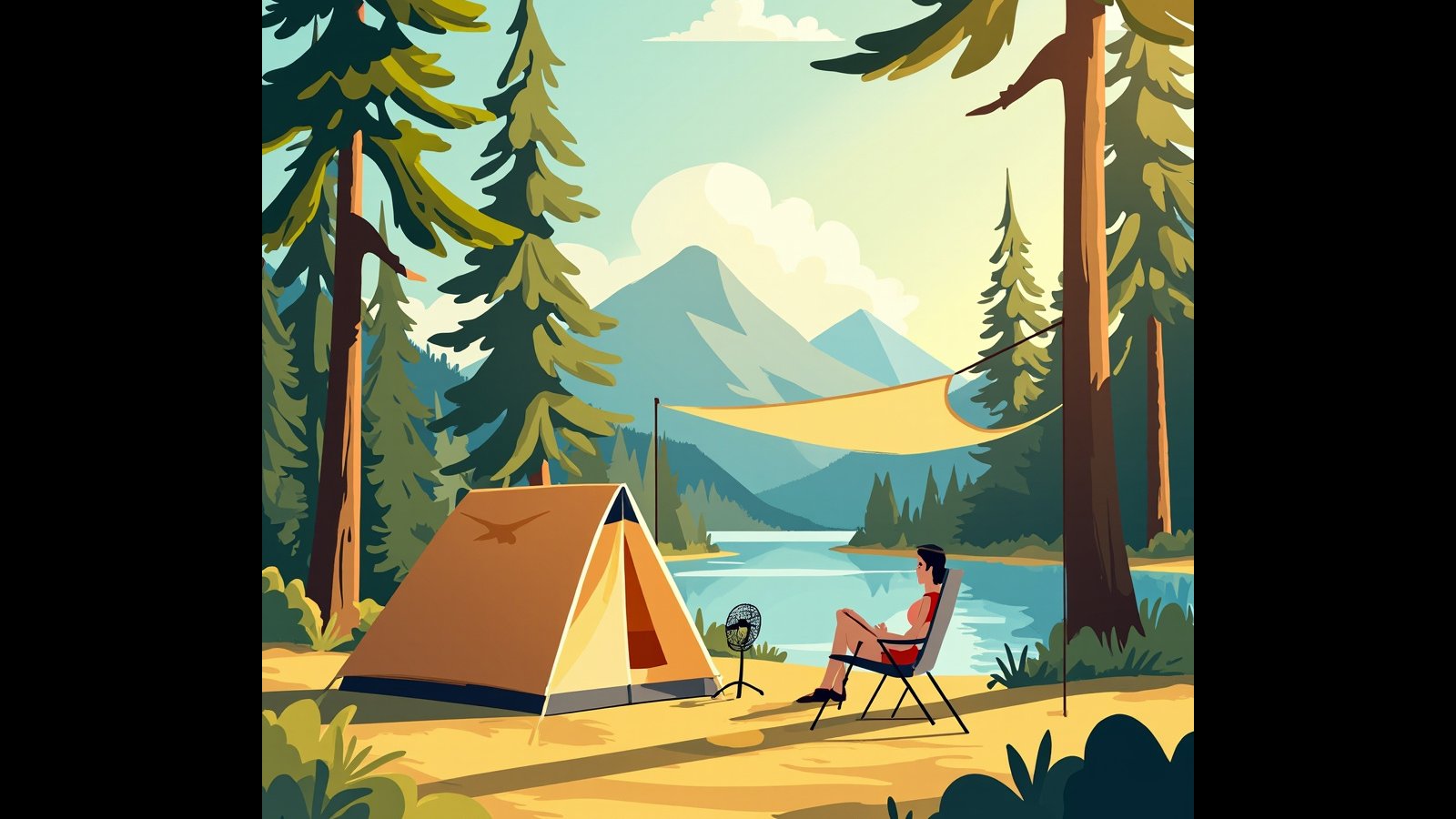
How to Camp in Hot Weather: 12 Tips to Stay Cool and Safe
How to camp in hot weather: tips for staying cool, hydrated, and safe. Covers campsite selection, tent cooling, and heat safety for summer.
Camping in hot weather can be miserable if you’re unprepared — or surprisingly enjoyable with the right strategies. When temperatures climb above 85°F, your tent turns into a greenhouse, dehydration sneaks up fast, and one bad sunburn can ruin an entire trip.
But summer camping doesn’t have to mean suffering. After years of testing gear and techniques across scorching desert campsites and humid summer forests, here’s what actually works to stay cool and safe.
Choose the Right Campsite
Your campsite location matters more than any piece of gear. The difference between a well-chosen and poorly-chosen campsite can be 15-20°F — enough to separate a comfortable night from a miserable one.
- Head for higher elevation. Temperature drops roughly 3-5°F per 1,000 feet of elevation gain. A campsite at 5,000 feet can be 15°F cooler than the valley below. Even a modest 1,000-foot gain provides meaningful relief.
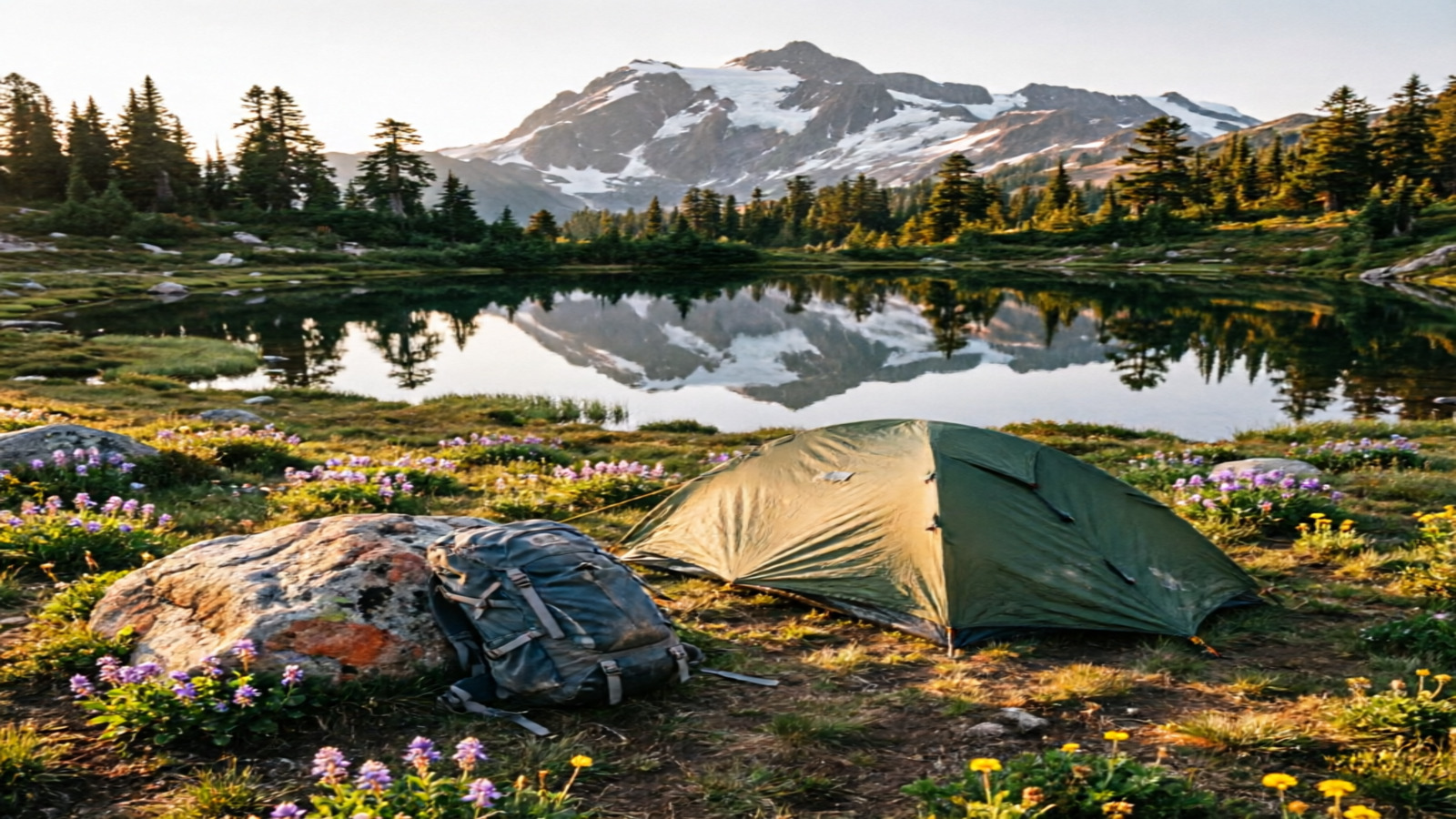
- Camp near water. Lakes, rivers, and streams create natural cooling through evaporation and breeze. Even a small creek can drop the local temperature by several degrees. Water also provides a place to cool off during the hottest part of the day.
- Look for natural shade. Mature trees with dense canopy provide the best shade. Pine forests stay significantly cooler than open meadows. Deciduous trees offer dense summer canopy while allowing some breeze through their structure.
- Avoid low-lying areas. Valleys and basins trap hot air and humidity overnight. A slight hillside position allows air to circulate. If you must camp low, position your tent as high on the slope as practical.
- Check sun exposure at different times. A site shaded at 2 PM may be fully exposed by 4 PM as the sun angle changes. Plan for afternoon shade, which is when heat peaks. Use a compass or smartphone app to track where the sun will be at different hours.
Set Up Your Tent for Maximum Airflow
Your tent is the biggest factor in whether you sleep comfortably or lie awake sweating.
Remove the Rainfly
This is the single most impactful change you can make. Most three-season tents have a mesh body designed for ventilation — the rainfly blocks it. If rain isn’t in the forecast, take the fly off entirely.
Orient for Breeze
Check the wind direction and face your tent door into the breeze. This creates a cross-ventilation effect through the mesh panels. Even a light 3-5 mph breeze makes a significant difference.
Use a Sunshade Above the Tent
Drape a reflective tarp or emergency blanket above your tent (not touching it — leave at least 6-12 inches of airspace). This creates shade and reflects solar radiation before it hits your tent fabric. A dark tent in direct sun can reach 20°F above ambient temperature inside.
Sleep on a Cot
A cot lifts you off the ground where hot air pools, and allows air to circulate underneath your body. This alone can make a 5-8°F difference in perceived comfort. Cots with mesh bottoms provide the best ventilation.
Open Every Vent and Window
It sounds obvious, but many campers leave a window zipped for privacy or bug protection. Use mesh-only panels on every available opening. If bugs are a concern, bring a separate mesh panel to zip over the door opening instead of the solid fabric panel.
Hydrate Before, During, and After
Dehydration is the most common heat-related camping problem, and it’s entirely preventable.
How Much Water Do You Need?
In hot weather, you need at least 1 gallon (3.8 liters) of water per person per day — more if you’re hiking or doing physical activity. This is significantly more than the standard “8 glasses a day” advice.
Hydration Strategy
- Start drinking before you feel thirsty. By the time thirst kicks in, you’re already 1-2% dehydrated.
- Add electrolytes. Plain water isn’t enough in extreme heat. Use electrolyte powder, tablets, or sports drinks to replace sodium and potassium lost through sweat.
- Eat water-rich foods. Watermelon, cucumbers, oranges, and grapes all contribute to hydration. They’re also easier to keep cool than prepared meals.
- Avoid alcohol and caffeine. Both are diuretics that increase fluid loss. Save the campfire beers for after the sun goes down.
- Freeze water bottles overnight. They’ll thaw slowly through the day, providing both cold drinking water and a cooling element in your cooler.
Dress for the Heat
The right clothing can reduce your heat stress significantly.
Fabric Matters
- Wear loose, lightweight, moisture-wicking fabrics. Synthetic blends (polyester, nylon) or merino wool work best. They pull sweat away from your skin and dry quickly.
- Avoid cotton in hot, humid conditions. Cotton absorbs sweat and holds it against your skin, making you feel hotter once it’s saturated.
- Choose light colors. White, tan, and light gray reflect sunlight. Dark colors absorb it.
Coverage Over Exposure
Counterintuitively, covering more skin keeps you cooler than exposing it. Long-sleeve UPF-rated shirts and lightweight pants protect against direct sun while allowing airflow. A wide-brimmed hat with a neck drape provides crucial shade for your face, neck, and ears.
Cooling Accessories
- Cooling towels (e.g., Frogg Toggs) work by evaporation. Wet them, wring out excess, and drape over your neck. They stay cool for 1-2 hours.
- Bandanas soaked in cold water worn around the neck or forehead provide similar relief.
- A neck gaiter pulled up over your nose and mouth adds moisture to inhaled air, which provides a subtle cooling sensation.
Plan Activities Around the Heat
Timing is everything when camping in extreme temperatures.
- Early morning (5-8 AM): Best time for hikes, physical activities, and setting up camp. Temperatures are typically 10-15°F cooler than afternoon peaks.
- Midday (11 AM - 3 PM): The danger zone. Stay in shade, get in the water, or rest. This is when heat exhaustion risk is highest.
- Evening (5-8 PM): Second window for activities as temperatures drop. Good for fishing, cooking, and exploring.
- Night (after 9 PM): Temperatures finally become comfortable. The best time for campfires and socializing.
Cook Smart in Hot Weather
A hot camp stove in 90°F weather is the last thing you want, but you still need to eat.
No-Cook Meals
On the hottest days, skip the stove entirely. Prepare:
- Cold sandwiches and wraps
- Pasta salad or grain bowls (prepare at home)
- Fresh fruit and vegetables
- Trail mix, jerky, and cheese
- Pre-cooked meals in pouches (just add hot water from a thermos)
Cook During Cool Hours
If you need hot meals, cook during early morning or after sunset. Use a smaller stove to minimize heat output. A camping stove with a precise flame control lets you cook quickly and efficiently.
Keep Food Safe
Food spoilage accelerates in heat. Use a quality cooler with plenty of ice, keep it in the shade, and don’t open it frequently. Perishable food left above 40°F for more than 2 hours should be discarded.
Stay Safe Near Water
Camping near water in hot weather is a double-edged sword — it provides relief from the heat but introduces additional safety concerns.
- Check water quality. Some lakes and rivers in summer develop harmful algal blooms or high bacteria counts. Check local advisories before swimming.
- Watch for rapid temperature changes. Jumping into cold water when overheated can cause cold shock response — a sudden gasp reflex that can lead to drowning. Enter gradually.
- Be aware of currents. Even small rivers can have strong undercurrents after summer rainstorms upstream. Never swim alone.
- Protect your feet. River bottoms can have sharp rocks, glass, or fishing hooks. Wear water shoes.
- Reapply sunscreen after swimming. Even water-resistant sunscreen needs reapplication every 80 minutes of water exposure.
Recognize and Prevent Heat Illness
Know the warning signs before they become emergencies. Heat illness exists on a spectrum — catching it early prevents it from becoming life-threatening.
Heat Exhaustion Symptoms
- Heavy sweating and cold, pale, clammy skin
- Fast, weak pulse
- Nausea or vomiting
- Muscle cramps
- Dizziness or headache
- Fatigue or weakness
Treatment: Move to shade, loosen clothing, apply cool wet cloths, sip water slowly. If vomiting continues, seek medical help.
Heat Stroke Symptoms (Emergency)
- Body temperature above 103°F (39.4°C)
- Hot, red, dry skin (no sweating)
- Rapid, strong pulse
- Confusion or altered mental state
- Throbbing headache
- Unconsciousness
Treatment: Call 911 immediately. Move the person to a cooler area and use whatever cooling methods are available — wet cloths, ice packs, immersion in cool water. Heat stroke is a life-threatening emergency.
Prevention Checklist
- Drink water consistently, not just when thirsty
- Take breaks in shade every 30-60 minutes during activity
- Avoid direct sun during peak hours (11 AM - 3 PM)
- Wear appropriate clothing and sun protection
- Monitor children, elderly companions, and pets closely
- Know the location of the nearest medical facility
- Use the buddy system — check on each other regularly
- Carry a first aid kit with supplies for heat-related emergencies (instant cold packs, electrolyte tablets)
- Pace yourself — acclimatization takes 7-14 days for full heat adaptation
Gear That Helps in Hot Weather
Not all hot-weather gear is created equal. Here’s what actually makes a difference:
| Gear | Why It Helps |
|---|---|
| Battery-powered tent fan | Circulates air inside the tent, 5-10°F perceived cooling |
| Reflective emergency blanket (as sunshade) | Reflects 90% of solar radiation |
| Cot with mesh bottom | Elevates you off hot ground for airflow |
| Cooling towels | Evaporative cooling for 1-2 hours per soak |
| Wide-brimmed UPF 50+ hat | Blocks direct sun on face and neck |
| Hydration bladder (2-3L) | Makes it easy to drink continuously |
| UV-protective clothing | Blocks sun without trapping heat |
| Portable shower bag | Cold rinse removes sweat and cools skin |
What Not to Do
Common mistakes that make hot-weather camping worse:
- Leaving the rainfly on in clear weather. This traps heat and blocks every ventilation path your tent was designed with.
- Setting up in a low spot. Cold air sinks at night, but hot air pools in valleys during the day.
- Relying on one water bottle. You need a gallon per person per day minimum. Carry backup.
- Ignoring the heat index. High humidity makes 90°F feel like 100°F+. Adjust your plans accordingly.
- Wearing dark clothing. A black t-shirt absorbs significantly more solar radiation than a white one.
- Cooking inside or near the tent. Heat from the stove plus ambient heat creates an unbearable zone.
- Skipping sunscreen. Sunburn reduces your skin’s ability to regulate temperature, making everything feel hotter.
Hot Weather Camping with Kids and Pets
Children and pets are more vulnerable to heat than adults. Their bodies regulate temperature less efficiently, and they may not communicate discomfort early.
With kids:
- Increase water intake beyond the 1-gallon baseline
- Dress them in loose, light-colored clothing with full coverage
- Plan shorter, less strenuous activities
- Check on them frequently during rest periods
- Know the signs of heat exhaustion (they may not recognize them themselves)
With dogs:
- Never leave a dog in a car or tent during the day
- Bring plenty of water and a collapsible bowl
- Provide shade (consider a dedicated pet shade tent)
- Walk dogs early morning or late evening only — hot pavement burns paw pads
- Know your breed’s heat sensitivity (brachycephalic breeds like bulldogs and pugs are extremely heat-sensitive)
Related Guides
- How to Prevent Tent Condensation — Understanding moisture management in all seasons
- How to Stay Warm in a Tent — The opposite challenge, useful for variable mountain weather
- Camping Safety Tips — Comprehensive safety guide for all conditions
- How to Choose a Camping Stove — Essential gear for meal planning in any weather
- How to Set Up a Tent — Foundation skills for optimal campsite setup
Frequently Asked Questions
What temperature is too hot for camping?
Most campers start feeling uncomfortable above 85°F (29°C), and camping becomes dangerous above 95°F (35°C) without proper cooling and hydration. At 100°F (38°C) or higher, heat exhaustion risk increases significantly, especially for children and older adults.
How to stay cool in a tent without electricity?
Remove the rainfly for maximum airflow, open all windows and vents, use a battery-powered fan, sleep on a cot for under-body ventilation, place a damp towel over yourself, and camp near water for natural cooling. Avoid low-lying areas that trap heat.
How to camp in 100 degree heat?
Camp at higher elevations where temps are 3-5°F cooler per 1,000 feet, choose shaded sites near water, avoid midday sun exposure, stay in the water during peak heat, drink 1 gallon of water per person daily, wear lightweight UV-protective clothing, and limit physical activity to early morning and evening.
How do I keep my tent cool in summer?
Set up in full shade, use a reflective tarp or sunshade above the tent (not touching it), remove the rainfly, open all vents and doors, use a portable fan, and consider a cooling towel draped over your sleeping area. Avoid pitching your tent on dark surfaces that absorb heat.