Camping Safety Tips: Complete Guide to Staying Safe
Essential camping safety tips for families — weather preparation, wildlife encounters, first aid, campfire safety, and what to do in emergencies.
The 5 Rules of Camping Safety
Before diving into specifics, memorize these five rules. They cover 90% of camping safety situations:
-
Plan ahead: Check weather, tell someone your itinerary, know the nearest hospital.
-
Stay aware: Watch the sky, watch your kids, watch the fire. Complacency causes accidents.
-
Dress in layers: Weather changes fast outdoors. Always have a rain jacket and warm layer within reach.
-
Respect wildlife: Observe from a distance. Store food properly. Never feed wild animals.
-
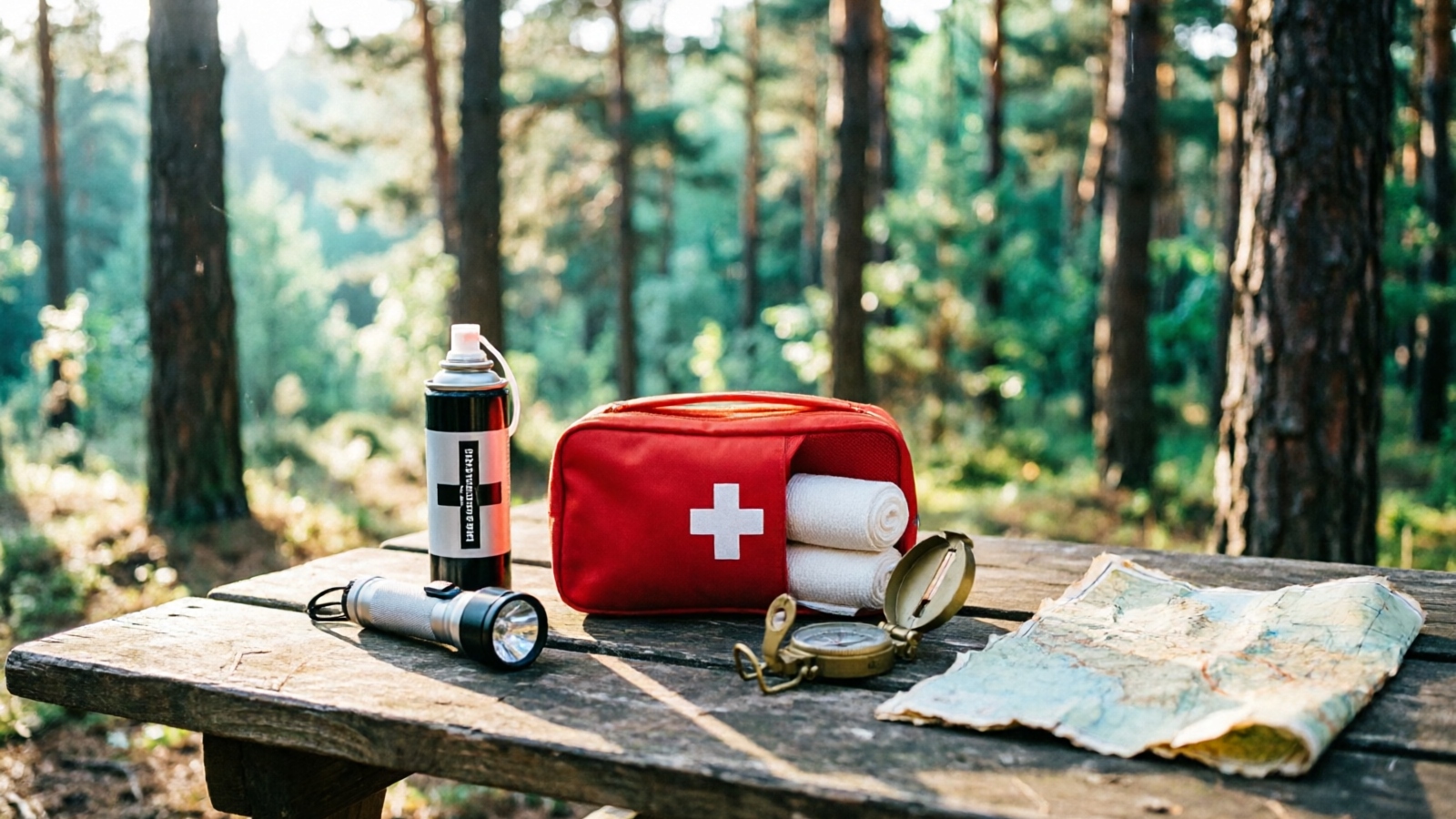
Have a first-aid kit: And know how to use it. A kit you can’t use is just heavy luggage. For families, the VRIEXSD 400-Piece First Aid Kit covers everything from minor cuts to sprains in an organized bag. For lighter trips, the compact VRIEXSD 150-Piece Mini Kit fits in a day pack and still handles scrapes, burns, and blisters.
Weather Safety
Before You Go
- Check the forecast: Use weather.gov for the most accurate forecasts (better than weather apps for rural areas). Check 3 days before, the night before, and the morning of departure.
- Know the terrain: Mountain areas can have radically different weather than the nearest town. A 20°F temperature difference between valley and ridge is common.
- Have a backup plan: If storms are forecast, have an indoor activity plan (board games, card games, books). Some campgrounds have shelters or visitor centers.
During Your Trip
Lightning: If you hear thunder, you’re within striking distance. Move to your car (not your tent — tents offer zero protection). If no car is available, find a low area away from tall trees, water, and metal objects. Avoid open fields, ridgelines, and isolated tall trees.
Heat: Drink water before you’re thirsty. Take breaks in shade. Know the signs of heat exhaustion: heavy sweating, weakness, cold/clammy skin, fast/weak pulse, nausea. Move to shade, cool with wet cloths, sip water slowly. Heat stroke (confusion, hot/dry skin, loss of consciousness) is a medical emergency — call 911 immediately.
Cold/Hypothermia: Can happen above 50°F if you’re wet and windy. Warning signs: shivering, slurred speech, confusion, drowsiness, loss of coordination. Get the person dry, warm, and into dry clothes. Use body heat (share a sleeping bag). Hot sweet drinks help. Severe hypothermia requires immediate emergency care.
Flash floods: Never camp in a dry riverbed or wash — these can fill in minutes during upstream storms, even if it’s not raining where you are. If water starts rising, move to higher ground immediately.
Weather Emergency Kit
- NOAA weather radio (battery or hand-crank)
- Extra batteries
- Rain ponchos (lighter than jackets for emergency use)
- Emergency blankets (space blankets — $1 each, pack 4-5)
- Duct tape (repairs tent holes, gear, everything)
- Paracord (50 feet — unlimited uses)
- Whistle (signal for help if separated)
Wildlife Safety
The Universal Rules
-
Never feed wildlife — it habituates them to humans and creates dangerous encounters
-
Store food properly — bear canister, bear hang, or locked car. Never food in tent.
-
Keep distance — 100 yards from bears and wolves, 25 yards from all other wildlife
-
Make noise on trails — talk, clap, or wear a bear bell. Most animals avoid humans if they hear you coming
-
Keep kids close — children under 10 should always be within arm’s reach on trails
Bears
Black bears (most common in the eastern US):
- Usually non-aggressive, but will defend food
- If you see one: stand tall, make noise, back away slowly
- If it approaches: make yourself look big, yell, throw rocks (NOT food)
- If it attacks: FIGHT BACK. Black bears rarely attack, and when they do, fighting back usually ends it
Grizzly bears (Rockies, Alaska, parts of Canada):
- More dangerous — do NOT fight back unless it’s a sustained attack
- If a grizzly charges: use bear spray at 30 feet. If contact occurs, play dead (face down, hands behind neck, legs spread to prevent rolling)
- If it’s a sustained attack (it won’t stop): fight back with everything you have
Bear spray: Counter Assault ($40) — 2% capsaicin, 7-9 second spray time, effective range 20-30 feet. Keep it on your belt or chest strap, not in your backpack.
Snakes
- Watch where you step and where you put your hands
- Wear closed-toe shoes on trails
- Stay on marked trails — don’t step over logs without checking the other side
- If bitten: stay calm, immobilize the area, remove rings/watches, and get to a hospital immediately. Do NOT apply a tourniquet, cut the wound, or try to suck out venom.
Mountain Lions
- Rarely seen, but present in many western states
- If you see one: do NOT run (triggers prey instinct). Make yourself look big, maintain eye contact, make noise
- If it approaches: throw rocks, wave arms, shout
- If it attacks: FIGHT BACK. Protect your head and neck.
Smaller Wildlife Hazards
| Animal | Risk | Prevention |
|---|---|---|
| Ticks | Lyme disease, Rocky Mountain spotted fever | Tick prevention medication, full body checks daily, long pants |
| Mosquitoes | West Nile virus, Zika, discomfort | DEET repellent, wear long sleeves/pants at dusk |
| Raccoons | Rabies, food theft | Store food in car/bear canister, never leave food out |
| Skunks | Spray | Keep dog on leash at night, check campsite before walking around |
| Yellow jackets | Stings (dangerous if allergic) | Don’t leave food uncovered, check before sitting, carry Benadryl |
Campfire Safety
Building a Safe Fire
-
Use existing fire rings — don’t create new ones. Clear a 10-foot area around the ring of all flammable material.
-
Keep it small — a campfire should be wrist-to-elbow high. Larger fires are harder to control and more dangerous for kids.
-
Never use accelerants — no gasoline, lighter fluid, or aerosol cans. Use fire starter squares or dryer lint.
-
Attend at all times — never leave a fire unattended, not even for 30 seconds.
Kids and Fire Safety
- The 3-foot rule: Teach kids that the area within 3 feet of the fire ring is a “no-go zone.” Use rocks or logs as visual markers.
- No running nearby: Kids running near fires can trip and fall in. Establish a “walk only” zone within 10 feet.
- Supervise always: One adult should be fire-duty at all times when the fire is going and kids are awake.
- Teach “stop, drop, and roll”: Practice at home before the trip. If clothing catches fire: stop, drop to the ground, cover your face, and roll repeatedly.
Extinguishing a Fire
Properly extinguished fires are COOL to the touch:
-
Drown with water — pour slowly, not a dump (dumping creates steam that can spread embers)
-
Stir the ashes with a stick or shovel — uncover hidden embers
-
Drown again — repeat until everything is cold
-
Feel the ashes — if it’s warm, it’s not out. Add more water.
“Dead out” means you can put your bare hand in the ashes. If you can’t, it’s not safe to leave.
Water Safety
Drinking Water
- Don’t drink from streams or lakes without treatment — even crystal-clear mountain water can contain Giardia, Cryptosporidium, and E. coli
- Treatment options: Boil (1 minute rolling boil), filter (0.2 micron or smaller), or chemical treatment (Aquatabs, iodine)
- Bring bottled water as your primary source; treat natural water only as backup
Swimming
- Never swim alone
- Check water depth before diving or jumping
- Avoid swimming near dams, waterfalls, or strong currents
- Kids under 12 should have an adult within arm’s reach in the water
- Wear water shoes — rocks, glass, and fishing hooks are common hazards in natural water
Emergency Preparedness
Before You Leave
See our full list of camping tips for more time-saving advice
New to camping? Start with our beginner camping guide
-
Share your itinerary: Tell a trusted friend or family member exactly where you’re camping, which trailheads you’ll use, and when you’ll be back. Set a check-in time. If they don’t hear from you, they should call authorities.
-
Download offline maps: Cell service is unreliable in most camping areas. Download maps in Google Maps or AllTrails before you leave.
-
Save emergency numbers: Ranger station, nearest hospital, local police. Post them in your tent.
-
Know your location: Learn the name of your campground, nearest highway, and nearest town. Emergency responders need to know where to find you.
In Case of Emergency
In Case of Emergency
For quick reference, keep a TLIEAO 300-Piece First Aid Kit in the car — 300 pieces in a portable plastic case that handles minor cuts and scrapes without unpacking your main kit.
| Emergency | Action |
|---|---|
| Medical emergency | Call 911 (if cell service) or drive to nearest hospital. Know the route before you need it. |
| Lost child | Whistle code: 3 blasts = emergency. Search for 15 minutes, then call 911. Most lost children are found within 1/4 mile of campsite. |
| Severe weather | Move to car or hard-sided structure. Tents do NOT protect from lightning, severe wind, or falling trees. |
| Wildfire | Evacuate immediately. Don’t wait for official orders if you see smoke or flames approaching. Leave via the main road. |
| Flooding | Move to higher ground immediately. Abandon all gear — your life is worth more. |
Emergency Contacts Template
Fill this out and keep it in your tent:
EMERGENCY CONTACTS

==================

Nearest Hospital: _______________ Phone: _______________

Ranger Station: _______________ Phone: _______________

Local Police: _______________ Phone: _______________

Our Campsite: _______________ Site #: _______________

Nearest Highway: _______________

Vehicle License Plate: _______________

ICE (In Case of Emergency) Contact:

Name: _______________ Phone: _______________
Kids-Specific Safety Tips
At the Campsite
- Establish boundaries: Walk the campsite perimeter with your kids and show them where they can and can’t go. Use natural landmarks (that big rock, the picnic table) as markers.
- Buddy system: No one goes anywhere alone — even to the bathroom. Always pairs.
- Whistle rule: Give each child a whistle. Teach them: 1 blast = “where are you?”, 3 blasts = “emergency.” Test it when you arrive at camp.
- Headlamps at night: Kids should always wear headlamps after dark. It makes them visible and keeps them safe on uneven ground.
On the Trail
- Stay on the trail: Shortcuts cause erosion, and off-trail areas have hidden hazards (cliffs, holes, wildlife).
- Stay together: The slowest person sets the pace. No one goes ahead or falls behind.
- Hydration breaks: Every 20-30 minutes, stop and drink water. Kids dehydrate faster than adults.
- Teach “Hug a Tree”: If a child gets separated, they should stay in one place and hug a tree. Rescuers will find them faster than a moving target.
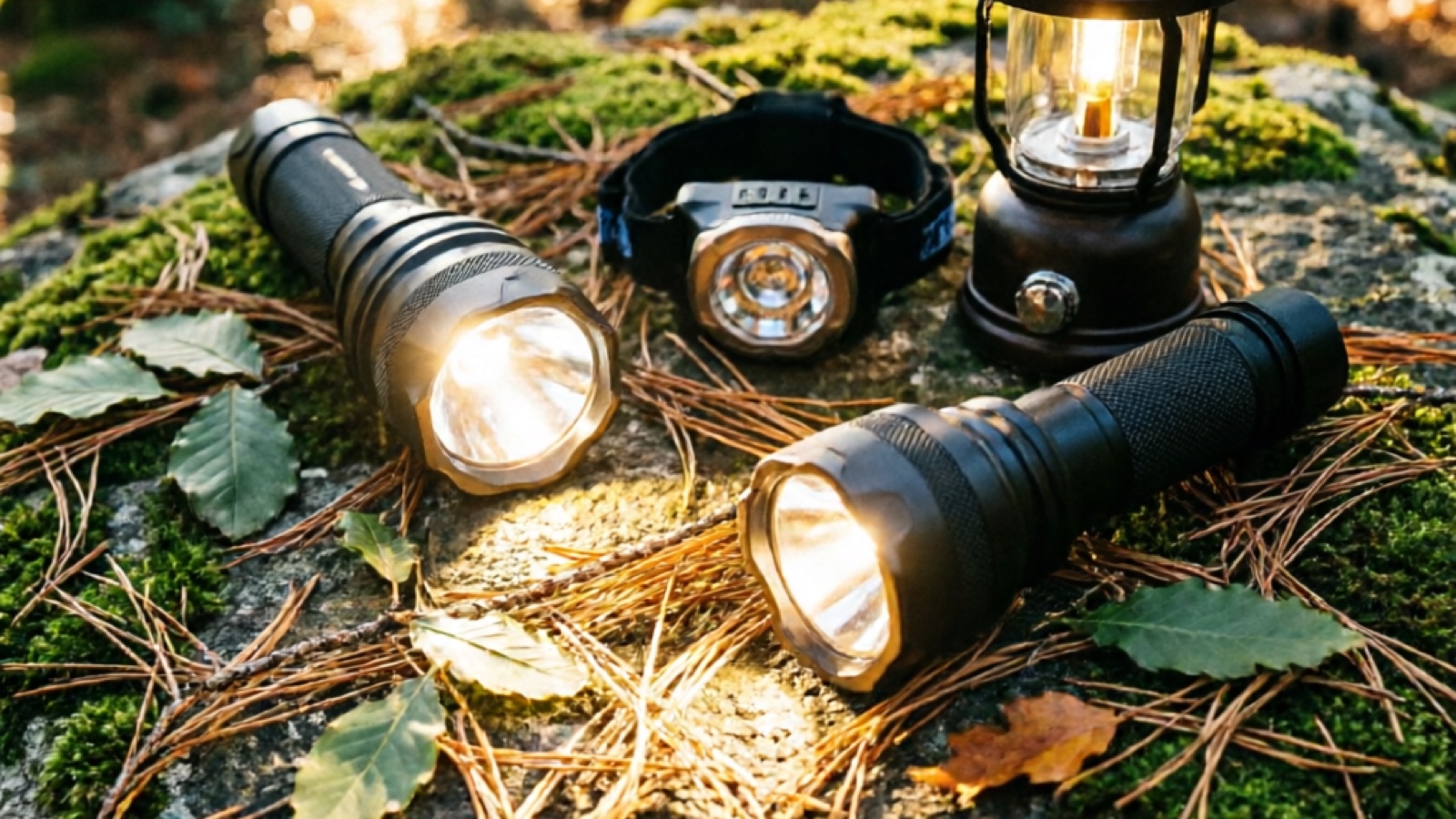
Related gear reviews: 10 Best Camping Flashlights · 10 Best Camping Headlamps
First Aid Basics Every Camper Should Know
Cuts and Scrapes
-
Clean: Rinse with clean water (use your drinking water — streams may be contaminated)
-
Disinfect: Apply antibiotic ointment
-
Bandage: Cover with adhesive bandage or gauze and tape
-
Monitor: Change bandage daily. Signs of infection: redness spreading, warmth, pus, fever
Burns (from campfire or stove)
-
Cool: Run cool (not cold) water over the burn for 10-20 minutes
-
Cover: Apply a clean, non-stick bandage
-
Do NOT: Apply butter, ice, or toothpaste. These trap heat and increase damage.
-
Seek help: Burns larger than a quarter on a child, or any burn that blisters, needs medical evaluation.
Sprains and Strains
-
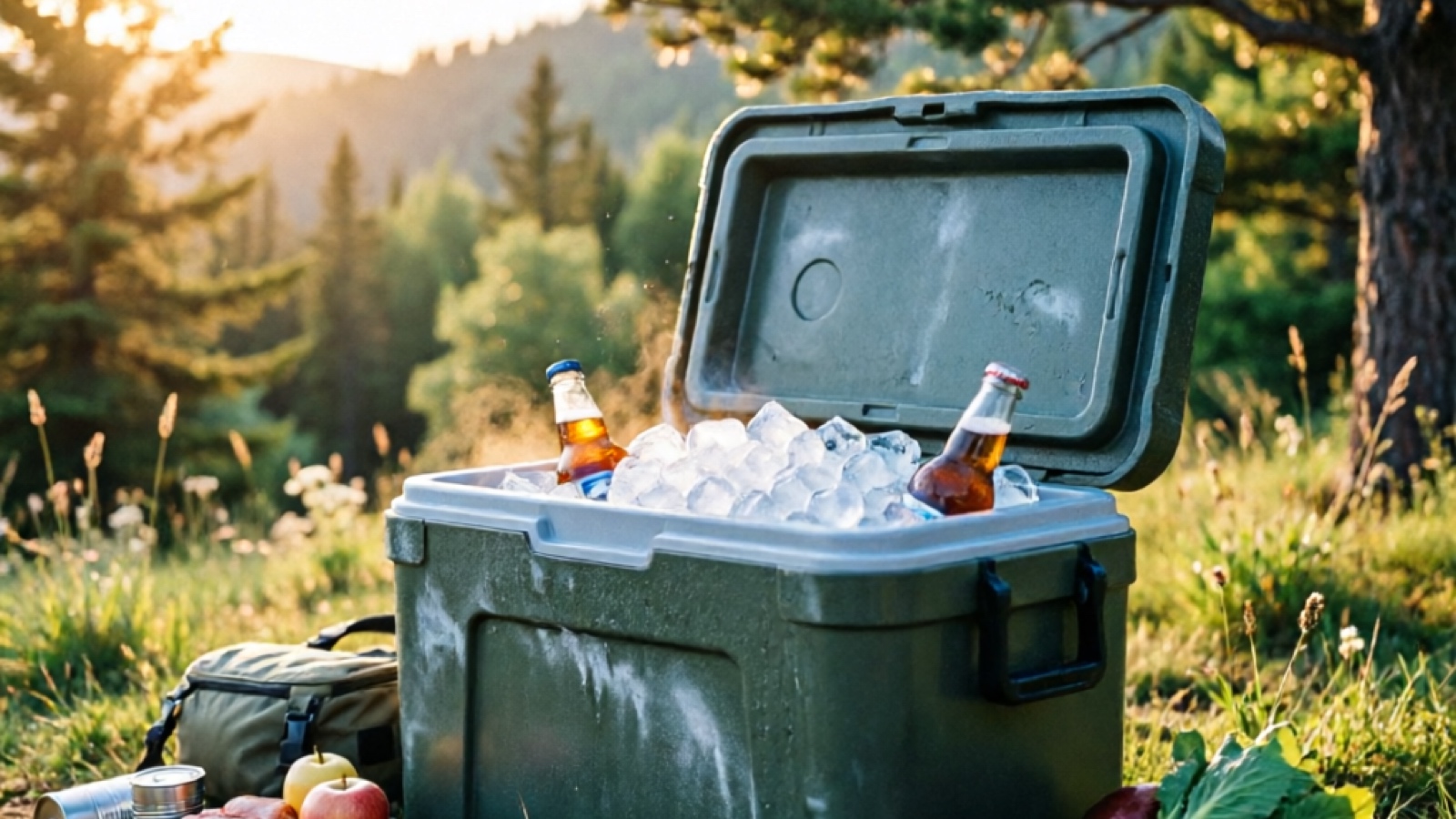
RICE: Rest, Ice (use cold water from your cooler if no ice available), Compress (elastic bandage), Elevate
-
Immobilize: Don’t walk on a sprained ankle. Use hiking poles or a makeshift crutch from branches
-
Evaluate: If the joint looks deformed or the person can’t bear any weight, it may be a fracture — seek medical help
Insect Stings and Allergic Reactions
-
Remove stinger: Scrape it out with a credit card (don’t squeeze with tweezers — this injects more venom)
-
Apply cold: Ice or cold water reduces swelling
-
Antihistamine: Benadryl for adults (25-50mg), children’s Benadryl for kids (follow weight-based dosing)
-
Anaphylaxis: Difficulty breathing, swelling of face/throat, dizziness. Use EpiPen if available, call 911 immediately
This guide contains affiliate links. If you purchase through these links, we may earn a small commission at no extra cost to you.
Frequently Asked Questions
Is camping safe for families with young children?
Yes, with proper preparation. Car camping in established campgrounds is very safe — you have neighbors, rangers on patrol, and cell service in many areas. The main risks are weather exposure, campfire burns, and minor injuries (scrapes, splinters). A well-stocked first-aid kit and basic safety rules eliminate 95% of problems.
What should I do if I encounter a bear while camping?
Stay calm. Do NOT run — bears can outrun you at 35 mph. Make yourself look big (raise arms, stand close to others). Speak in a calm, firm voice ('Hey bear, whoa bear'). Back away slowly. If the bear charges, stand your ground — most charges are bluffs. Use bear spray if the bear comes within 30 feet. In a tent at night, make loud noises (yell, bang pots) to scare it away.
How do I keep kids safe around the campfire?
Establish a 3-foot 'no-go zone' around the fire ring. Use rocks or a log as a visual boundary. Kids must always have an adult present when near the fire. Never leave a fire unattended — not even for 30 seconds to grab something from the tent. Keep a bucket of water and a shovel next to the fire at all times. Extinguish fires completely before bed: drown with water, stir ashes, drown again.
What's the biggest camping safety mistake families make?
Not checking the weather forecast and not bringing enough warm clothing. Hypothermia can occur at temperatures above 50°F if you're wet and windy. Always pack rain gear and an extra warm layer, even in summer. Mountain weather changes fast — a sunny 75°F afternoon can become a 40°F rainstorm by evening.