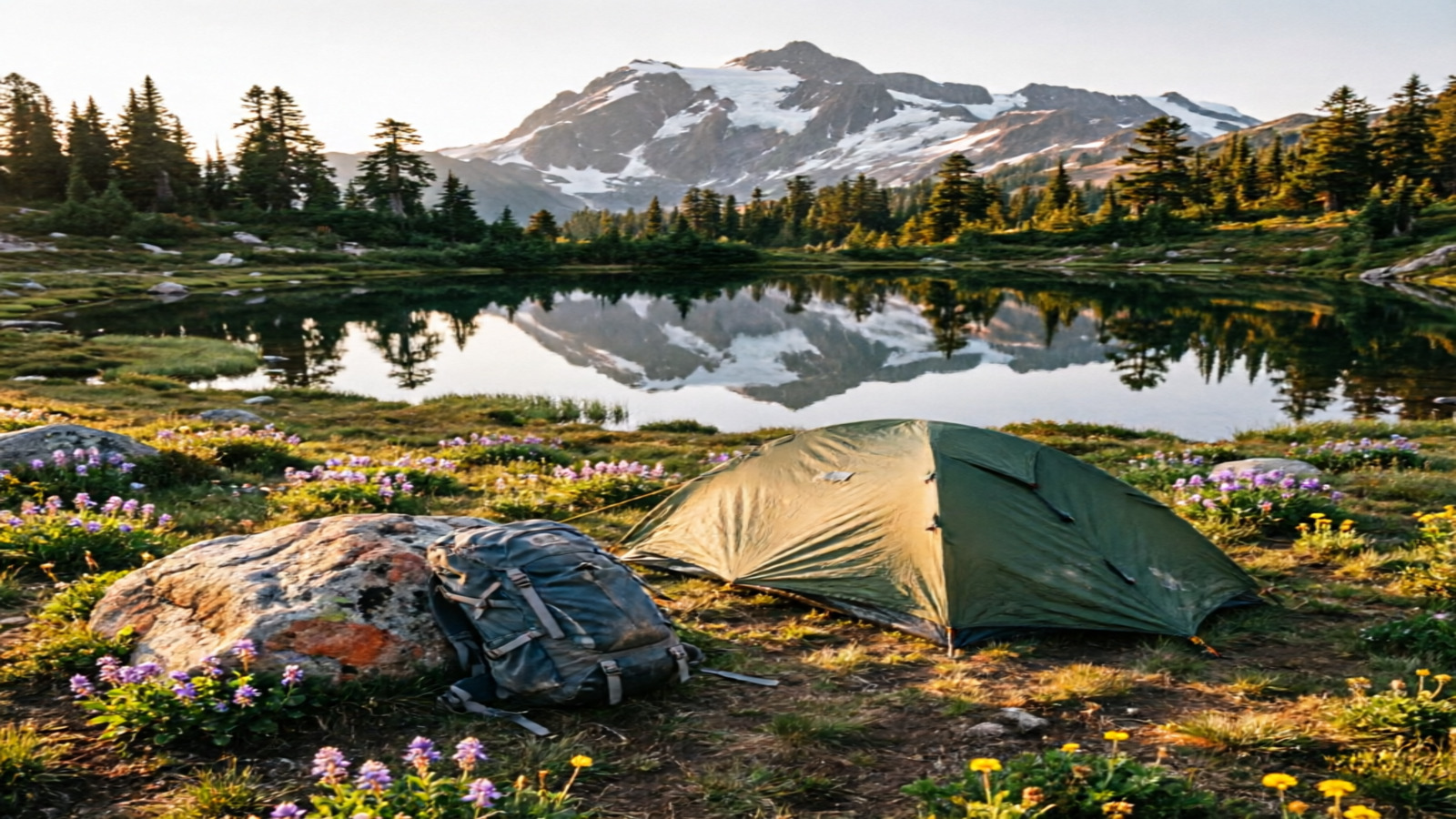
How to Store a Tent: Complete Guide to Keep Your Tent Dry, Clean, and Ready
Learn how to store a tent properly — dry it, clean it, and pack it so it stays mold-free and lasts for years. Covers short-term and long-term storage.
Storing your tent the wrong way is the fastest way to destroy it. Most tent damage — mold, delaminated coatings, snapped poles, and corroded zippers — happens not on the trail but in the garage between trips.
The good news: proper tent storage takes about 15 minutes and costs nothing. The bad news: most campers skip it, stuff a damp tent into its compression sack, and discover a smelly, leaky mess months later.
This guide covers how to store a tent for any duration — between weekend trips, over winter, or in long-term storage — so your tent stays dry, clean, and field-ready for years.
Why Tent Storage Matters More Than You Think
A tent that sits in storage for 6-8 months between camping seasons spends far more time stored than used. Here is what goes wrong when storage is done poorly:
- Mold destroys fabric. A tent stored with even slight moisture develops mold within 48-72 hours. Mold stains are nearly impossible to remove from nylon and permanently weaken waterproof coatings. Once mold spreads, the tent often needs replacement.
- Compression kills waterproofing. Stuffing a tent into a tight compression sack and leaving it for months creases the fabric along the same lines every time. The polyurethane (PU) coating on the floor and rainfly cracks along these creases, causing pinhole leaks on your next trip.
- UV degrades nylon. Storing a tent in direct sunlight — even through a window — breaks down nylon fibers. After a few months of UV exposure, the fabric becomes brittle and tears easily. UV damage is cumulative and irreversible.
- Temperature swings cause condensation. Garages and sheds that heat up during the day and cool at night create condensation inside sealed storage containers. This condensation is enough to start mold growth even if the tent felt dry when you packed it.
Most tent manufacturers estimate a 5-10 year lifespan for a well-maintained tent. Poor storage cuts that to 2-3 years.
Step 1: Clean Before Storing
Never store a dirty tent. Dirt traps moisture, feeds mold, and abrades waterproof coatings. Even if the tent looks clean from your last trip, a quick cleaning before storage prevents long-term damage.
For routine pre-storage cleaning:
- Shake out debris. Set up the tent or shake it vigorously to remove sand, pine needles, leaves, and dirt from every pocket and corner.
- Spot-clean problem areas. Wipe sap, bird droppings, and food spills with a damp cloth and mild soap. Sap eats through waterproof coatings if left to sit.
- Check the floor and rainfly. Run your hand along the inside of the floor fabric and rainfly. If it feels sticky or the coating flakes off, the tent needs a full wash before storage.
- Clean poles and stakes. Wipe tent poles with a dry cloth to remove grit that corrodes aluminum joints. Rinse mud off stakes and let them dry — wet steel stakes rust.
If your tent has any visible mold spots, treat them with a mix of 1 cup white vinegar and 1 gallon of warm water before storing. Let the solution sit for 15 minutes, scrub gently, rinse, and dry completely.
Step 2: Dry Completely — No Exceptions
This is the most important step. A tent stored even slightly damp will develop mold. Period.
The correct drying process:
- Set up the tent fully. Do not try to dry a crumpled tent — moisture hides in folds and seams. Pitch the tent with all panels taut so air reaches every surface.
- Dry in a shaded, well-ventilated area. Direct sun speeds drying but damages nylon over time. A shaded backyard, garage with the door open, or covered porch works best.
- Flip the tent inside out. Dry the interior first — this is where condensation from your breath collects during trips. The inside of the rainfly and floor fabric holds the most moisture.
- Check every seam. Run your fingers along sealed seams. If any seam feels damp to the touch, the tent needs more time. Pay special attention to the floor corners and peak points.
- Wait until it is bone dry. This takes 2-6 hours depending on humidity and temperature. In humid climates, point a box fan at the tent to speed things up. Do not use a hair dryer or heat gun — high heat damages coatings.
How to tell if your tent is dry enough: Rub a clean microfiber cloth along the inside of the rainfly and floor. If the cloth comes away completely dry, the tent is ready to store. If it picks up any moisture, keep drying.
Step 3: Pack Without Compression
How you fold and pack the tent for storage matters as much as drying it.
For short-term storage (1-4 weeks):
- The factory stuff sack is acceptable for brief storage between trips.
- Loosen the compression straps — do not cinch them tight.
- Avoid folding the tent along the exact same creases every time. Alternate fold directions to prevent stress on any single fold line.
For long-term storage (1+ months):
- Remove the tent from the stuff sack entirely.
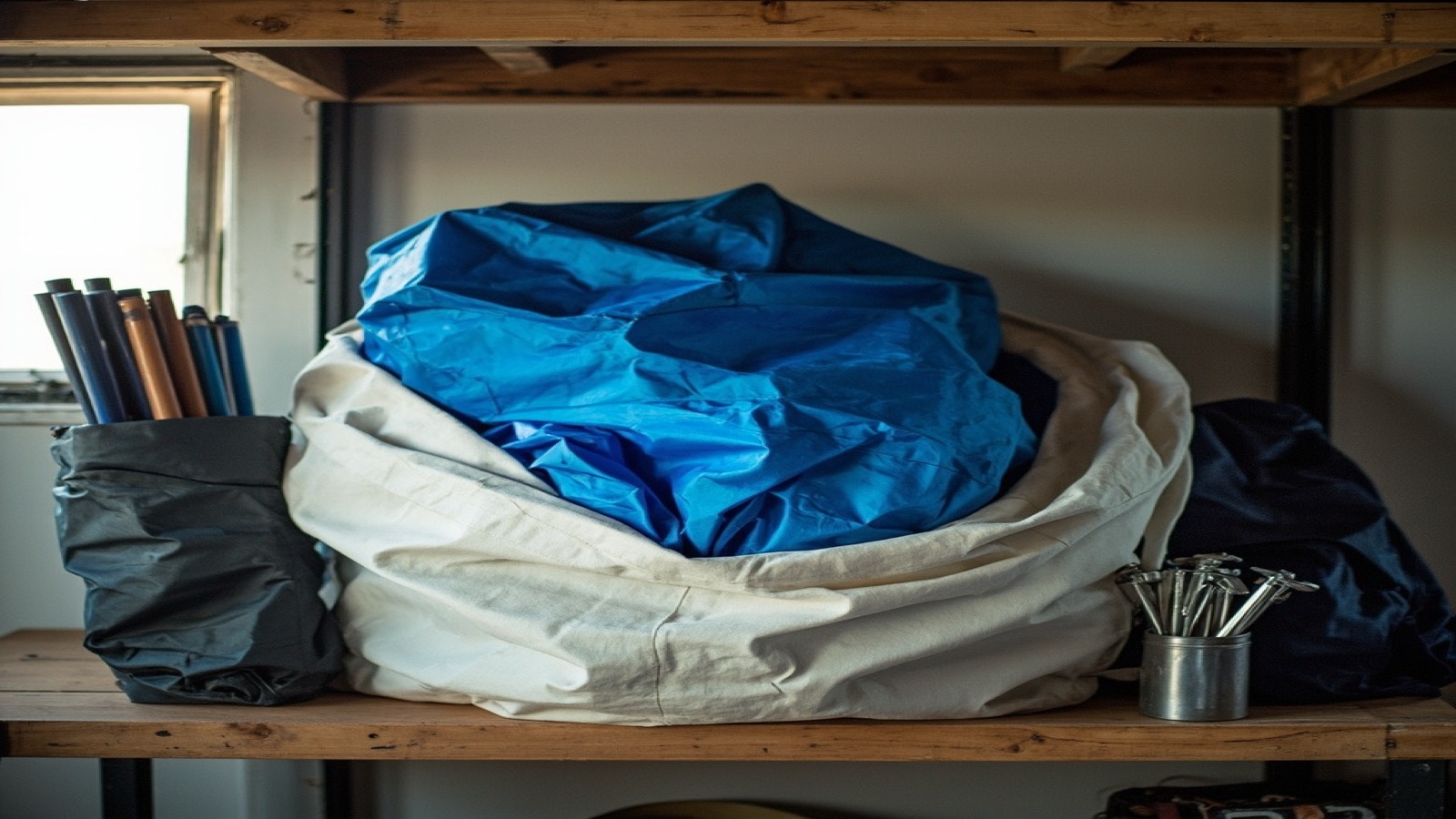
- Store loosely in a large breathable container:
- A cotton pillowcase (cheap and effective)
- A mesh laundry bag (maximum ventilation)
- A dedicated tent storage sack like the Sea to Summit Ultra
- Store poles and stakes separately from the tent body to prevent pole ends from puncturing the fabric over time.
For seasonal or winter storage:
- Use a large plastic storage bin with a lid for full protection against pests and moisture.
- Place a moisture-absorbing desiccant pack inside the bin.
- Elevate the bin off the floor — concrete wicks moisture upward.
Step 4: Choose the Right Storage Location
Where you store the tent matters as much as how you pack it.
Ideal conditions:
- Temperature: 40-80°F (4-27°C). Avoid extremes — freezing temperatures make nylon brittle, and heat above 90°F accelerates coating degradation.
- Humidity: Below 60%. High humidity promotes mold even on clean, dry tents.
- Light: Dark or dim. UV from windows or fluorescent lights degrades nylon fibers over months of exposure.
- Ventilation: Some airflow. A sealed plastic bag with no ventilation traps any residual moisture.
Good storage locations:
- A closet inside your house (best option — stable temperature and humidity)
- A finished basement (good if humidity is controlled with a dehumidifier)
- A climate-controlled garage or shed
- Under a bed in a breathable bag
Avoid these locations:
- Damp basements or crawl spaces (high mold risk)
- Hot attics (extreme temperature swings cause condensation)
- Near windows with direct sunlight (UV damage)
- Near chemicals, paint, or gasoline (fumes degrade fabric)
- Cardboard boxes on garage or shed floors (rodents and moisture)
Step 5: Store Poles and Stakes Properly
Tent poles and stakes need their own storage attention. Neglecting them leads to stuck pole sections and rusty stakes.
Poles:
- Wipe clean and dry completely before storing.
- Collapse poles to their shortest length to reduce strain on the shock cord.
- Store in the pole bag or wrap in a soft cloth. Do not store loose where heavy items can crush them.
- If the shock cord is loose or broken, replace it before the next trip — a flopping pole section can snag tent fabric during setup.
Stakes:
- Rinse off mud and dry to prevent rust (especially steel stakes).
- Store in the stake bag or a small container. Scattered stakes puncture tent fabric and are easy to lose.
- Check for bent or cracked stakes. Replace damaged stakes before your next trip — a bent stake pulls out of soft ground.
How to Store a Tent Between Trips (Quick Version)
If you are camping again within 1-2 weeks, use this fast-track process:
- Shake out debris (30 seconds)
- Spot-clean visible dirt (2 minutes)
- Air-dry fully in the shade (1-2 hours)
- Store loosely in the stuff sack with straps loosened
- Keep in a cool, dry spot indoors
Total time: about 15 minutes plus drying.
Seasonal Storage Checklist
Use this checklist at the end of each camping season — or before storing for 3+ months:
- Tent fully cleaned (body, rainfly, footprint)
- All seams and fabric bone dry (microfiber cloth test)
- Poles wiped clean and collapsed
- Stakes rinsed and dried (no rust)
- Tent stored loose (no compression sack)
- Breathable storage container used
- Desiccant pack added
- Storage location cool, dry, dark, and elevated
- No food residue, crumbs, or scented items inside
- Tent bag labeled with date stored
Common Tent Storage Mistakes
These are the mistakes that kill tents:
Storing wet. The number one tent killer. Even a tent that feels “mostly dry” can hold enough moisture in seam folds to grow mold. Always do the microfiber cloth test before packing away.
Leaving it in the compression sack year-round. Compression creases become permanent weak points in waterproof coatings. If you store your tent this way, check the floor fabric — you will likely find the coating is already cracking along fold lines.
Storing near chemicals. Gasoline, paint thinner, fertilizer, and pool chemicals release vapors that degrade nylon and dissolve PU waterproof coatings. Keep your tent far from these.
Ignoring mold until spring. A small mold spot in October becomes a tent-ruining infestation by April. Inspect stored tents monthly and treat any mold immediately.
Not checking on stored tents. Set a monthly calendar reminder to open the storage bin and check for moisture, mold, or pests. A 2-minute inspection catches problems early.
Related Reading
Frequently Asked Questions
Should I store my tent in its stuff sack?
For short-term storage between trips, the stuff sack is fine. For long-term storage lasting weeks or months, take the tent out of its compression bag. Compression creases stress the same fabric fibers repeatedly, weakening waterproof coatings along fold lines. Instead, store the tent loosely in a large cotton pillowcase, mesh laundry bag, or a dedicated tent storage bag like the [Sea to Summit Ultra](https://www.amazon.com/dp/B0BXFDZRB5?tag=camplabx-20&linkCode=ll2&language=en_US&ref_=as_li_ss_tl). The key is zero compression — let the fabric relax.
Can I store a tent in a garage or shed?
Yes, with conditions. Garages and sheds work if the space stays dry, temperature-controlled (below 80°F / 27°C), and free from pests. Elevate the tent off the floor on a shelf or in a plastic bin — concrete floors wick moisture. Avoid storing near chemicals, gasoline, or fertilizers, which release fumes that degrade nylon and tent coatings. If the space gets damp or below freezing regularly, move the tent indoors.
How do I keep mice and bugs out of a stored tent?
Store the tent in a sealed plastic bin or heavy-duty zip-lock bag — not a cardboard box, which rodents chew through. Add cedar blocks or moisture-absorbing silica gel packets inside the container. For extra protection against mice, place the bin on a metal shelf rather than the floor. Never store food residue inside a tent — even invisible crumbs attract pests within days.
Should I hang a tent to store it?
Hanging a tent is an option if you have a clean, dry closet or gear room. Use a padded hanger over the ridge line or fold the tent loosely over a wide bar. Avoid hanging by a single point, which stretches that section. Make sure the tent is completely dry before hanging — trapped moisture between folds leads to mold. The downside of hanging is UV exposure if near a window and dust accumulation over time.