How to Choose a Camping Water Filter: Buyer's Guide
How to choose a camping water filter. Compare squeeze, gravity, pump, bottle purifiers and UV systems by weight, flow rate and micron rating.
How to Choose a Camping Water Filter: Complete Buyer’s Guide
Access to clean drinking water is one of the most critical considerations for any camping trip. Whether you are heading out for a solo backpacking trip through the Sierra Nevada or setting up a base camp with family near a mountain lake, a reliable camping water filter can mean the difference between a memorable adventure and a miserable one spent dealing with waterborne illness.
This guide covers everything you need to know about choosing a camping water filter, including the different types available, the key specifications that matter, and how to match the right filter to your specific camping style.
Why You Need a Camping Water Filter
Health Risks of Untreated Water in the Wild
Drinking untreated water from rivers, lakes, and streams carries real health risks. The most common waterborne pathogens found in North American backcountry water sources include:
- Giardia lamblia: A protozoan parasite that causes giardiasis, leading to bloating, diarrhea, and fatigue lasting up to several weeks
- Cryptosporidium: Another protozoan that is particularly resistant to chlorine treatment and causes similar gastrointestinal symptoms
- E. coli and Salmonella: Bacteria from animal waste that can contaminate surface water, especially near grazing areas
- Leptospira: Bacteria found in water contaminated by animal urine, more common in tropical and subtropical regions
While boiling water for one minute at elevations below 6,500 feet (three minutes above) effectively kills these pathogens, it requires carrying extra fuel, waiting time, and a cooking vessel. A camping water filter provides instant access to safe drinking water without these drawbacks.
Filter vs Purifier — Understanding the Difference
One of the most important distinctions in portable water treatment is the difference between a filter and a purifier:
-
Water filters remove bacteria and protozoa using physical barriers, typically rated at 0.1 to 0.2 microns. They do not remove viruses, which are significantly smaller at 0.004 to 0.1 microns. For most camping in North America, a filter is sufficient.
-
Water purifiers remove or inactivate all three categories of pathogens — bacteria, protozoa, and viruses. They achieve this through either mechanical filtration at 0.01 microns or smaller, chemical treatment, or UV light. Purifiers are recommended for international travel and areas near agricultural operations or human settlements where viral contamination is more likely.
Types of Camping Water Filters
Squeeze Filters — Best for Solo Hikers
Squeeze filters use a hollow fiber membrane that traps bacteria and protozoa as water passes through under pressure from squeezing a soft bottle or hydration bladder. They have become the most popular choice among backpackers because they offer an excellent balance of weight, flow rate, and versatility.
The typical squeeze filter weighs between 2 and 3 ounces, removes 99.9999% of bacteria and 99.9999% of protozoa, and can filter thousands of gallons before needing replacement. Models like the Sawyer Mini and Katadyn BeFree dominate this category.
Pros: Lightweight, fast flow rate, versatile attachment options, easy to backflush in the field Cons: Can be damaged by freezing, requires clean water for backflushing, flow rate decreases with use on turbid water Best for: Solo backpacking, day hikes, and thru-hiking where every ounce matters
Gravity Filters — Best for Group Camping
Gravity filters eliminate the need for pumping or squeezing by using elevation difference to force water through a filter element. You fill a dirty water bag, hang it from a tree branch or car, and let gravity do the work while you set up camp or prepare meals.
These systems typically include a 2- to 4-liter dirty water reservoir, a hollow fiber or pleated filter cartridge, and a clean water collection bag. The Platypus GravityWorks is one of the most popular gravity systems, capable of filtering 1.5 liters per minute.
Pros: Hands-free operation, high volume output ideal for groups, minimal effort required Cons: Bulkier than squeeze filters, slower initial fill time, requires a suitable place to hang the dirty bag Best for: Group camping, base camps, family trips, and any situation where you need to filter water for multiple people
Pump Filters — Best for Murky Water
Pump filters use mechanical force to push water through a filter cartridge. While they have been largely replaced by squeeze and gravity systems for many users, pumps remain the best choice when dealing with turbid or silty water because the pumping pressure forces water through even partially clogged filters.
Popular models like the Katadyn Hiker Pro use a ceramic or glass fiber element and can process up to 1 liter per minute with consistent pumping.
Pros: Effective with muddy and turbid water, high output pressure, works in shallow water sources Cons: Heavier at 10-20 ounces, moving parts can wear or break, requires physical effort to operate Best for: River trips, expeditions in sediment-heavy regions, and as a backup to squeeze or gravity systems
Bottle Purifiers — Best for Everyday Versatility
Bottle purifiers integrate water treatment directly into a drinking bottle. You fill the bottle with raw water, press or squeeze to force it through the purifier cartridge, and drink immediately. The GRAYL GeoPress is a standout in this category because it uses triple-action purification — electroadsorption, ion exchange, and activated carbon — to remove viruses, bacteria, protozoa, chemicals, and heavy metals.
Bottle purifiers are heavier than straws or squeeze filters at 14-16 ounces, but they eliminate the need to carry a separate water bottle.
Pros: All-in-one convenience, removes viruses and chemicals, no separate bottle needed Cons: Limited capacity per fill (typically 16-24 oz), cartridge replacement needed every 300 gallons, heavier than simple filters Best for: International travel, emergency preparedness, and day hikes near questionable water sources
UV Purifiers — Best for Virus-Prone Areas
UV purifiers use ultraviolet light to destroy the DNA of bacteria, protozoa, and viruses, rendering them unable to reproduce. The SteriPEN line of UV purifiers resembles a thick pen that you stir in a water bottle for 60 to 90 seconds.
Pros: Kills all pathogen types including viruses, lightweight pen design at around 5 ounces, fast treatment time Cons: Requires batteries or USB charging, needs relatively clear water for UV penetration, does not remove particulates or improve taste Best for: International travel, areas with known viral contamination, and as a secondary treatment step
Key Factors to Consider When Choosing
Filter Pore Size and Micron Rating
The micron rating tells you what size particles the filter can physically block. This is arguably the most important specification:
- 0.2 microns: Removes bacteria (0.5-5 microns) and protozoa (5-15 microns). This is the minimum rating for backcountry safety.
- 0.1 microns: Better protection against smaller protozoa like Cryptosporidium. Most quality squeeze filters use this rating.
- 0.02 microns or smaller: Removes viruses mechanically. Very few filters achieve this — the GRAYL GeoPress at 0.01 microns is one exception.
Look for NSF/ANSI Standard 53 or EPA Guide Standard certification when comparing filters. These independent certifications provide verified performance claims rather than manufacturer marketing numbers.
For more on camping hydration gear, check out our guide to best camping water jugs and best camping kettles for boiling water as a backup method.
Flow Rate and Capacity
Flow rate determines how quickly you can fill bottles and hydration bladders. In practical terms, a slow filter becomes frustrating when you are filtering several liters for a group after a long hiking day.
- Straw filters: Drink directly, effectively unlimited rate
- Squeeze filters: 0.5-2.0 liters per minute depending on model and how hard you squeeze
- Gravity filters: 1.0-1.5 liters per minute, hands-free
- Pump filters: 0.5-1.0 liters per minute, requires effort
Filter lifespan matters too. A filter rated for 1,000 gallons might only last one long thru-hike season, while a 100,000-gallon rated filter could last years. Consider your expected usage when evaluating cost per gallon.
Weight and Packability
Weight ranges significantly across filter types:
- Straw filters: 1-2 ounces — the lightest option available
- Squeeze filters: 2-8 ounces including the squeeze bottle
- Gravity filters: 8-16 ounces with reservoir bags
- Pump filters: 10-20 ounces
- Bottle purifiers: 14-16 ounces
For backpackers counting every ounce, the difference between a 2-ounce squeeze filter and a 15-ounce bottle purifier matters. For car campers, weight is largely irrelevant and convenience takes priority.
Durability and Maintenance
Field-maintenance capability is a critical factor. Hollow fiber filters like the Sawyer Mini can be backflushed with a syringe to restore flow rate, effectively extending their usable life indefinitely. Ceramic filters can be scrubbed with an abrasive pad when they clog.
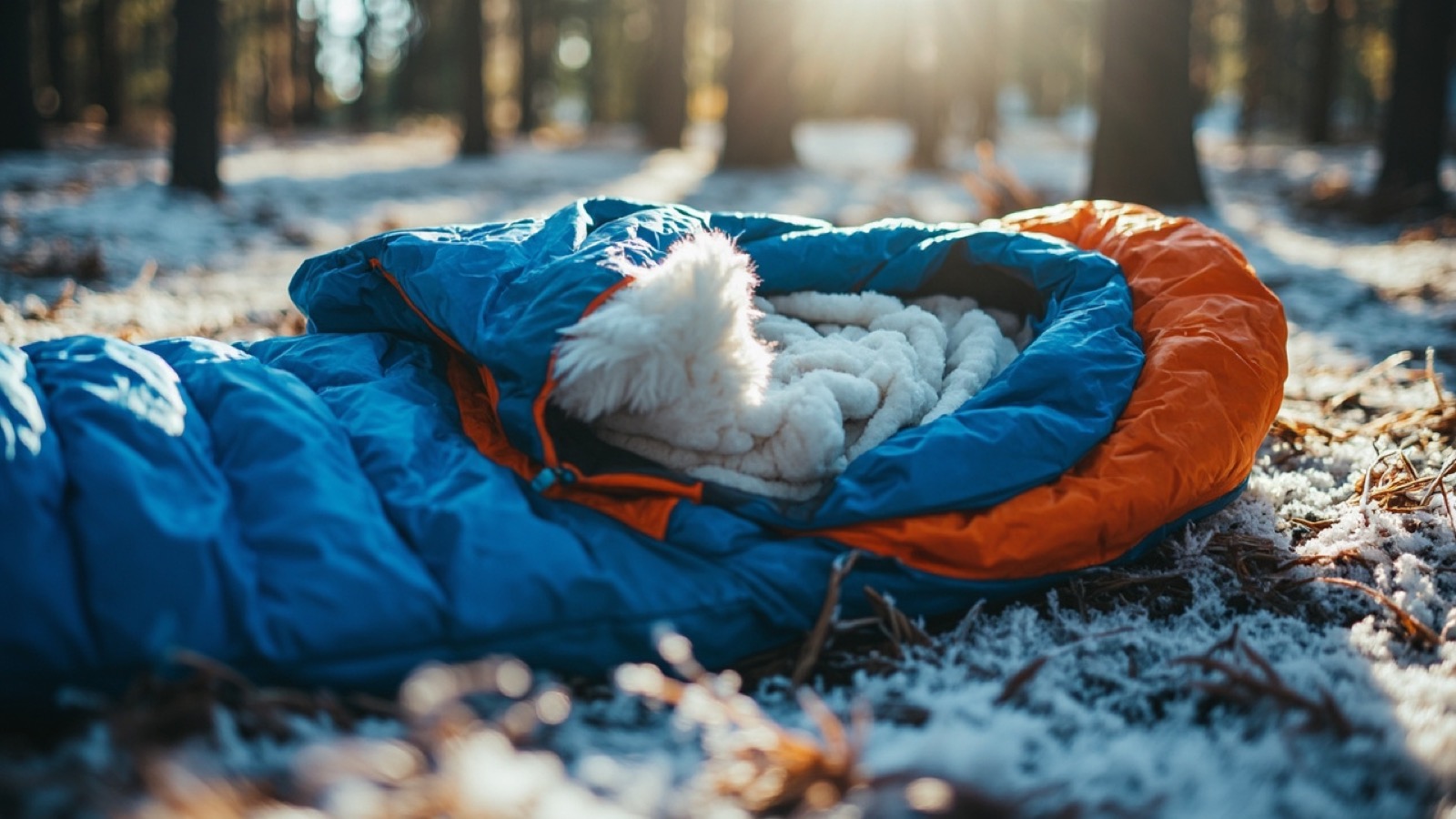
Freezing is the enemy of all hollow fiber and ceramic filters. Ice crystals can create micro-cracks in the filter matrix that compromise its ability to block pathogens. If you are camping in winter, store your filter inside your sleeping bag or jacket at night.
Water Source Quality
The type of water you will be filtering should influence your choice:
- Clear mountain streams: Almost any filter works well. Go with the lightest option.
- Muddy rivers and silty water: Pre-filter with a bandana, then use a pump or gravity system that can handle sediment. Avoid straw filters in silty conditions.
- Stagnant ponds or agricultural runoff: Use a purifier that handles viruses and chemicals, not just a simple filter.
- Snowmelt and glacial water: Extremely cold water can reduce flow rate. Let water warm slightly before filtering.
Top Camping Water Filters — Quick Comparison
| Filter | Type | Pore Size | Flow Rate | Lifetime | Weight | Price Range |
|---|---|---|---|---|---|---|
| Sawyer Mini | Squeeze | 0.1 micron | 0.1 L/min | 100,000 gal | 2 oz | Budget |
| Katadyn BeFree | Squeeze | 0.1 micron | 2.0 L/min | 1,000 gal | 2.3 oz | Mid |
| LifeStraw Personal | Straw | 0.2 micron | Direct drink | 1,000 gal | 1.6 oz | Budget |
| Platypus GravityWorks | Gravity | 0.2 micron | 1.5 L/min | 1,500 gal | 10.5 oz | Premium |
| GRAYL GeoPress | Bottle Purifier | 0.01 micron | 24 oz/3-5 presses | 300 gal | 15.8 oz | Premium |
For detailed ratings and a comprehensive breakdown, read our best camping water filters review.
How to Match a Filter to Your Camping Style
Solo Backpacking
Weight is your top priority. A squeeze filter like the Sawyer Mini or Katadyn BeFree gives you the best weight-to-performance ratio. Pair it with a collapsible hydration bladder and you have a lightweight, high-volume water treatment system that weighs under 4 ounces total.
Group or Family Camping
A gravity filter system is the clear winner. The hands-free operation means one person can set up the filter while others handle camp chores. The 4-liter capacity of most gravity systems provides enough water for 2-4 people between fill cycles. See our camping packing list for group camping essentials.
International Travel
Virus protection becomes essential outside North America. The GRAYL GeoPress bottle purifier is ideal because it removes viruses, bacteria, protozoa, and even some chemicals and heavy metals from tap water and questionable sources. No batteries or separate bottles needed.
Car Camping
Weight and size are not concerns when your vehicle does the carrying. A gravity filter system or a pump filter works well. Many car campers also carry a camping kettle as a backup for boiling water, which provides an extra layer of safety.
Water Filter Maintenance Tips
Cleaning and Backflushing
Regular backflushing is the single most important maintenance step for hollow fiber filters. Here is a basic procedure:
- Fill the clean syringe with filtered water from the output side
- Force water backward through the filter element
- Repeat 3-5 times until the expelled water runs clear
- For squeeze filters, simply squeeze clean water backward from the clean side
For gravity filters, follow the manufacturer’s cleaning schedule. Most recommend backflushing after every 10-20 uses or whenever you notice reduced flow rate. If you are new to camping gear maintenance, our beginner camping guide covers the basics.
Winter Camping Precautions
Freezing is the most common way campers accidentally destroy their water filters. Hollow fiber membranes crack when ice forms inside them, and these micro-cracks are invisible to the eye but large enough to let pathogens pass through.
- Store your filter inside your sleeping bag at night
- Keep it in an interior pocket during the day
- If your filter has been frozen, assume it is compromised and replace it
- Some manufacturers sell cold-weather rated models with freeze-resistant housings
Final Thoughts
Choosing the right camping water filter comes down to understanding your typical water sources, camping style, and weight priorities. For most North American campers and backpackers, a squeeze filter in the 2-ounce range provides the best all-around performance. Group campers benefit from the hands-free convenience of gravity systems, and international travelers should invest in a purifier bottle that handles viruses.
The most important thing is to carry some form of water treatment on every trip. Even pristine-looking mountain streams can harbor harmful organisms. Invest in a quality camping water filter, maintain it properly, and it will serve you reliably for thousands of gallons over many seasons.
For more outdoor preparedness tips, explore our camping safety guide and camping hacks to get the most out of your time in the backcountry.
Frequently Asked Questions
Is a water filter or purifier better for camping?
For most North American camping, a water filter (0.1–0.2 micron) is sufficient since it removes bacteria and protozoa like Giardia and Cryptosporidium. A purifier is necessary for international travel or areas with agricultural runoff where viruses are a concern.
How much water does a camping filter process before needing replacement?
Lifespans vary widely. Hollow fiber squeeze filters like the Sawyer Mini can last up to 100,000 gallons. Gravity filters typically handle 1,000–1,500 gallons. Bottle purifier cartridges usually last 300 gallons. Always check the manufacturer's rating.
Can a camping water filter freeze and still work?
Freezing damages hollow fiber membranes and can create cracks that allow contaminants through. If your filter has frozen, the manufacturer recommends replacing it. Store filters above freezing or inside your sleeping bag at night in cold weather.
Do I need to pre-filter water before using a camping filter?
Pre-filtering helps if your water source has sediment, silt, or organic debris. Use a bandana or coffee filter to remove large particles before running water through your filter. This extends filter life and maintains flow rate, especially important for squeeze and pump filters.
What is the lightest camping water filter?
Straw filters like the LifeStraw weigh just 1.6 ounces, making them the lightest option. Squeeze filters like the Sawyer Mini come in at 2 ounces and offer more versatility since you can fill bottles and hydration bladders.