Camping for Beginners: The Complete Guide to Your First Trip
First-time camping guide with gear checklists, campsite selection tips, tent setup instructions, cooking basics, and safety rules for your first trip.
Why Camping Is Easier Than You Think
Most people overthink their first camping trip. They imagine surviving in the wilderness with a pocket knife and a prayer. Reality is much simpler: you drive to a campsite, pitch a tent next to your car, and cook dinner on a small stove. It’s basically sleeping outside with a few extra steps.
This camping for beginners guide covers three things: decent gear, a reasonable location, and the willingness to be a little uncomfortable. You don’t need survival skills. You need a checklist and a sense of humor. See our car camping guide for the easiest way to start.
The best part? Almost everything that can go wrong on a first camping trip is minor. Cold food instead of hot.
A slightly crooked tent. Mosquitoes. None of it ruins the trip — and the stories make great campfire conversation later.
Choose Your Camping Style
Not all camping is the same. The three main types have very different skill requirements.
Car camping is where every beginner should start. You drive right up to your campsite and unload. Weight does not matter. You can bring a cooler, a real pillow, and extra everything. Most state parks and private campgrounds cater to car campers with picnic tables, fire rings, and restrooms.
Tent camping at a walk-in site means carrying your gear a short distance from the parking area. It limits what you can bring, but the sites are often quieter and more secluded. Good for your second or third trip once you know what you actually need.
Backpacking means carrying everything on your back for miles. Save this for later — it requires specialized lightweight gear, navigation skills, and physical fitness. The jump from car camping to backpacking is significant.
For your first trip, pick a developed campground within an hour of home. If something goes wrong — bad weather, forgotten gear, a miserable night — you can bail and sleep in your own bed. No shame in that.
The Beginner Camping Gear Checklist
Every camping for beginners checklist should start with the essentials and add comfort items as you go. Our camping for beginners car camping checklist has the full list, but here is what matters most.
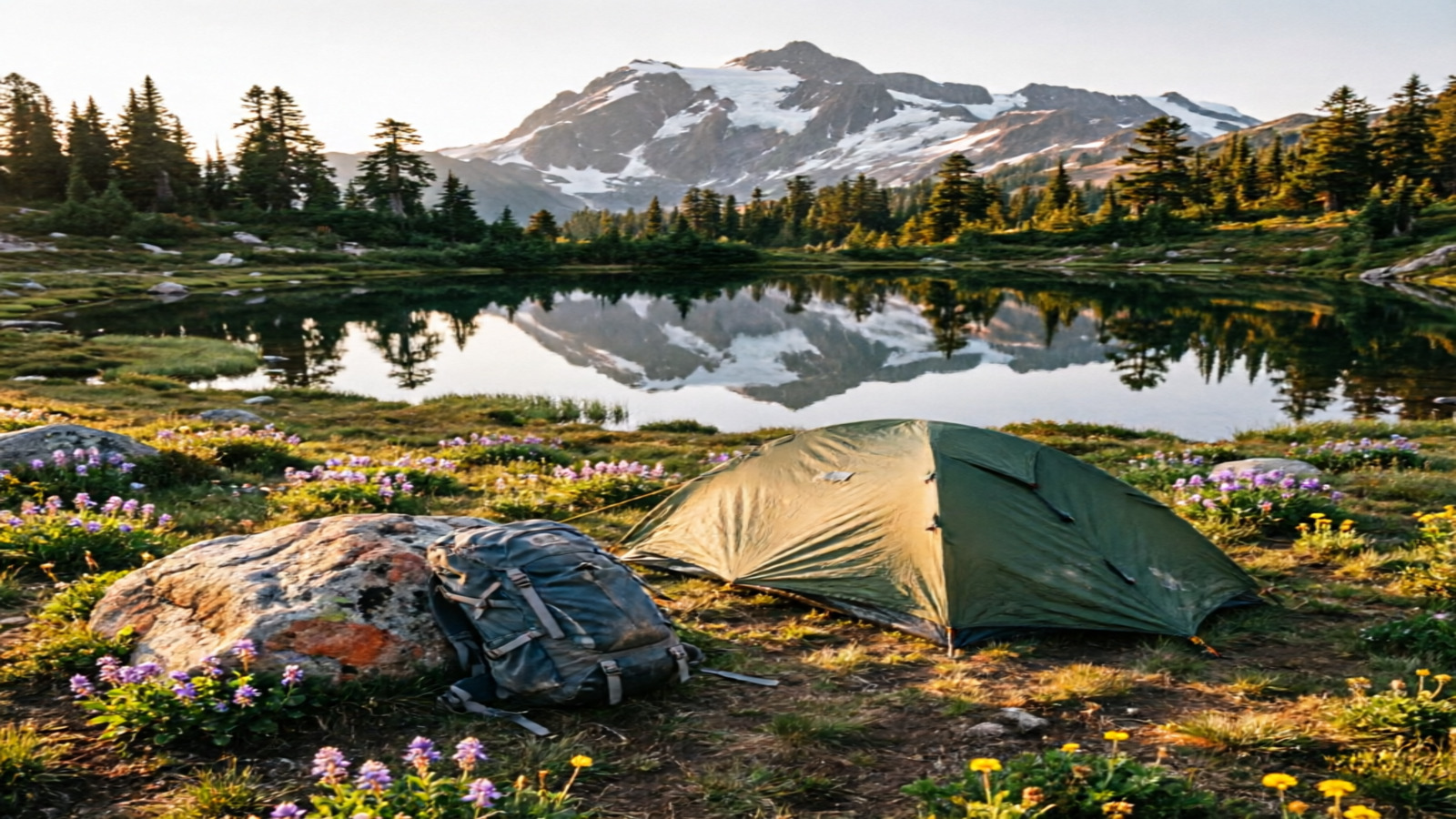
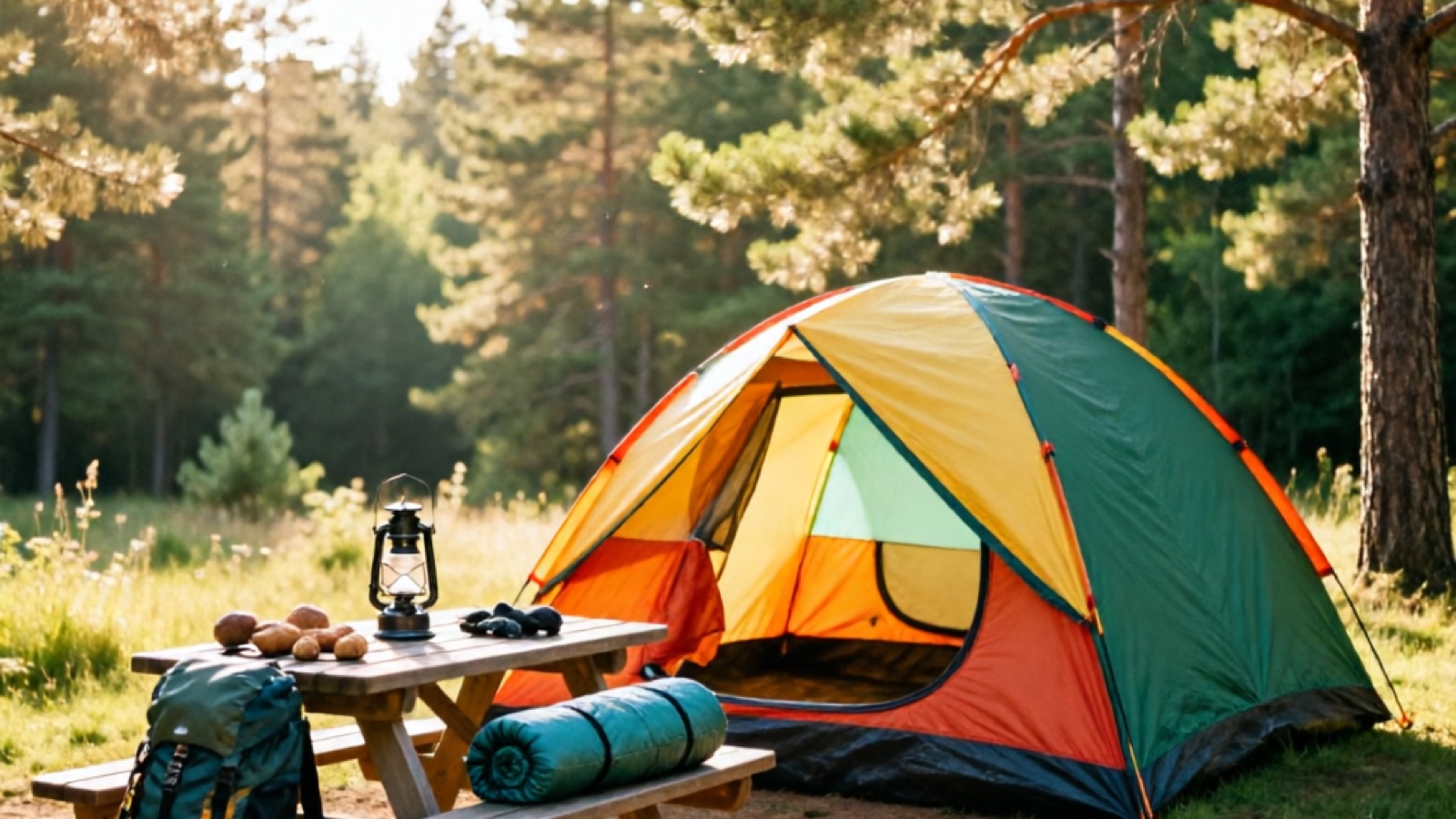
Shelter: A 2-3 person tent (bigger than your group size for gear storage), a ground tarp or footprint, and stakes. Practice setting it up at home before your trip — once. That’s all it takes to avoid the awkward first-time fumble in the dark.
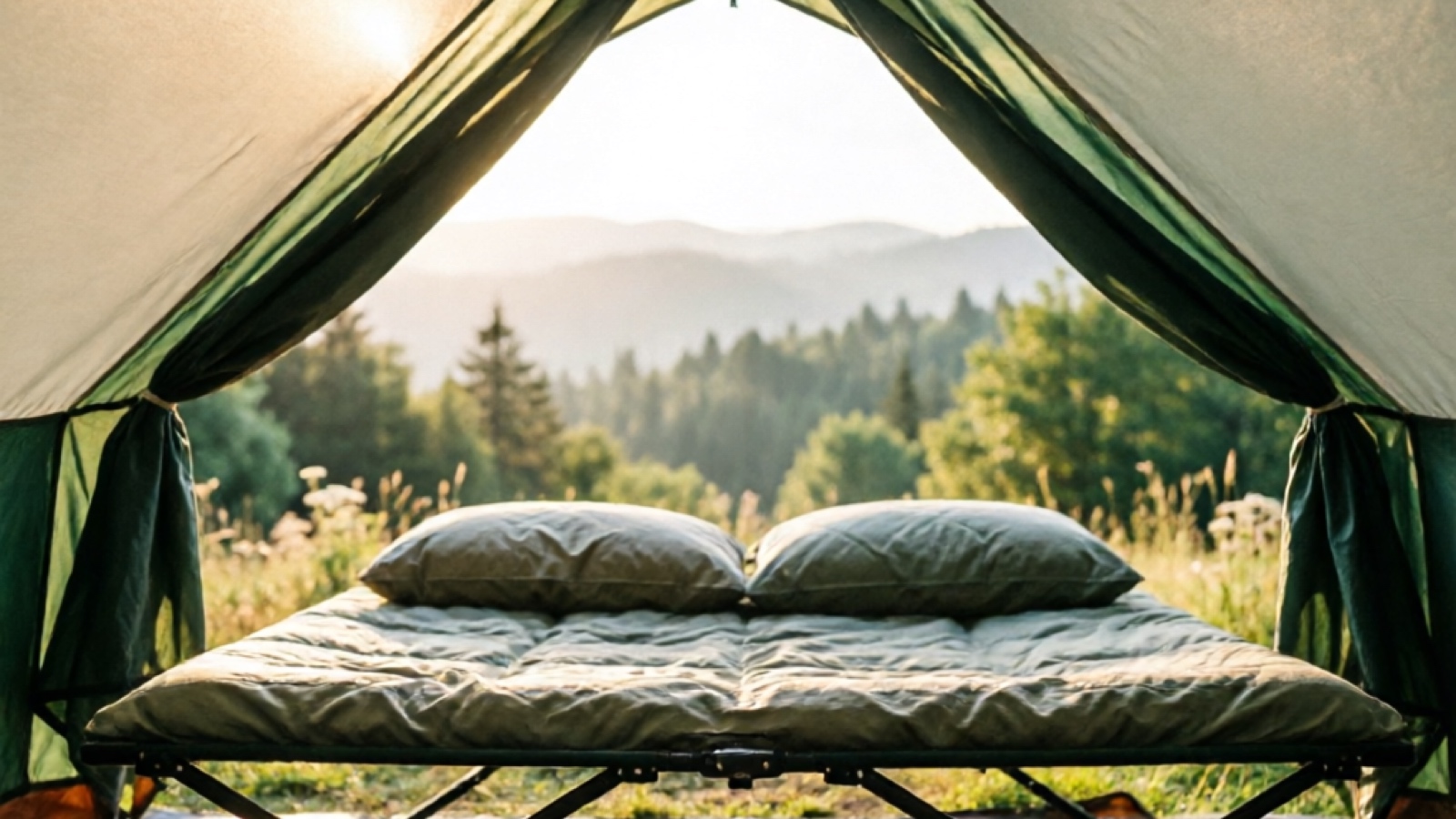
Sleep: A sleeping bag rated 10-15°F below your expected low temperature, a sleeping pad (this matters more than the bag for warmth — the ground steals heat fast), and a small pillow from home. See our sleeping bag guide and best camping sleeping pad picks.
Cooking: A compact camp stove, fuel canister, a pot, a spatula, plates, utensils, and a cooler with ice. Pre-made meals from home save time and reduce dishwashing.
Lighting: A headlamp for each person (better than flashlights — hands free), and a lantern for the picnic table. Batteries for everything.
Clothing: Non-cotton layers. Synthetic or merino wool base layers, a fleece mid-layer, and a rain shell. Cotton kills in the outdoors — it holds moisture and loses insulation when wet. One complete change of clothes in a dry bag.
For a deeper dive into recommended gear, see our best camping gear roundup.
How to Choose a Campsite
In any camping for beginners scenario, a good campsite makes everything easier. A bad one makes everything harder.
Flat ground is non-negotiable. Walk the site barefoot or in socks to feel for slopes, rocks, and roots. You will roll downhill all night on even a slight slope. Clear pine cones, sticks, and rocks from your tent pad before setting up.
Elevated ground keeps you dry. Avoid the lowest point in any area — that is where water collects when it rains. Look for a slight rise or ridge. Dry creek beds are especially dangerous; they can flash-flood in storms even when the sky above is clear.
Tree cover provides shade and wind protection, but avoid setting up directly under large dead branches (called widowmakers for a reason). A spot with partial canopy is ideal.
Proximity to restrooms and water is convenient, but not so close that you hear doors slamming all night. Most established campgrounds have maps showing site locations relative to amenities.
For a more detailed breakdown of campground types and what to expect, see our national park camping guide.
Setting Up Your Tent for the First Time
Tent setup is the moment camping for beginners feels most overwhelming. It is simpler than it looks, especially if you practiced once at home.
Step 1: Lay out the ground tarp or footprint where your tent will go. This protects the tent floor from punctures and adds a moisture barrier. Tuck any exposed tarp edges under the tent — a tarp sticking out catches rain and channels it under you.
Step 2: Unfold the tent body and stake down the four corners. Pull the corners taut so the floor lies flat. Angle stakes at 45 degrees pointing away from the tent for maximum holding power.
Step 3: Assemble the poles and thread them through the sleeves or clips on the tent body. Most tents use two crossed poles that create a dome shape. The poles flex — they are supposed to bend.
Step 4: Raise the tent by pushing the pole ends into the grommets at the base. The tent pops into shape. Stake out the rain fly if rain is possible, even if the sky looks clear.
Step 5: Stake out all guy lines. These thin cords pull the tent walls taut, increase interior space, and improve stability in wind. Most beginners skip this step — don’t be most beginners.
Choosing the right tent matters too. Our tent buying guide and best camping tent recommendations can help you pick.
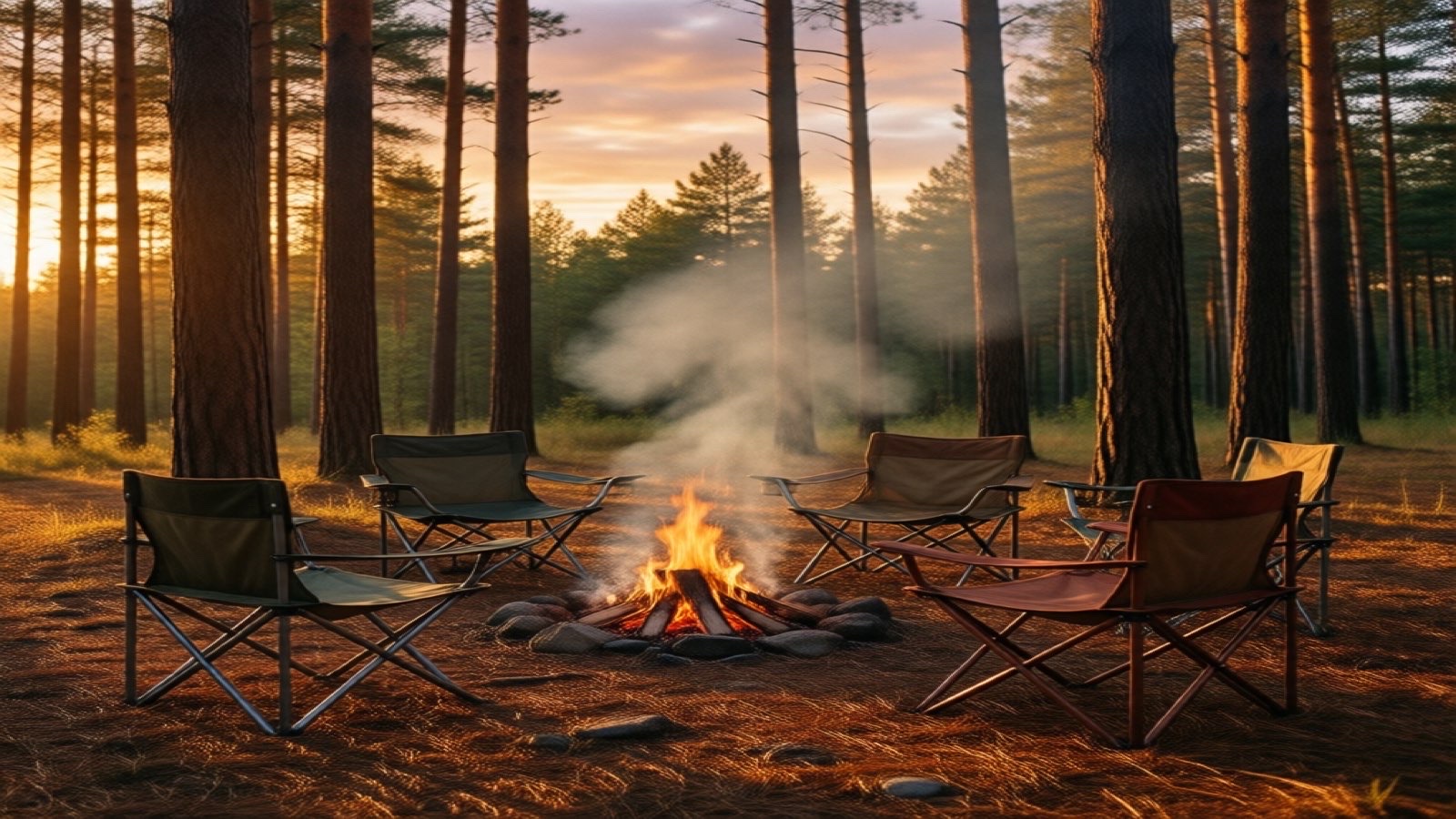
Building a Campfire Safely
A campfire is the emotional center of camping. It is also the easiest way to start a wildfire if done wrong.
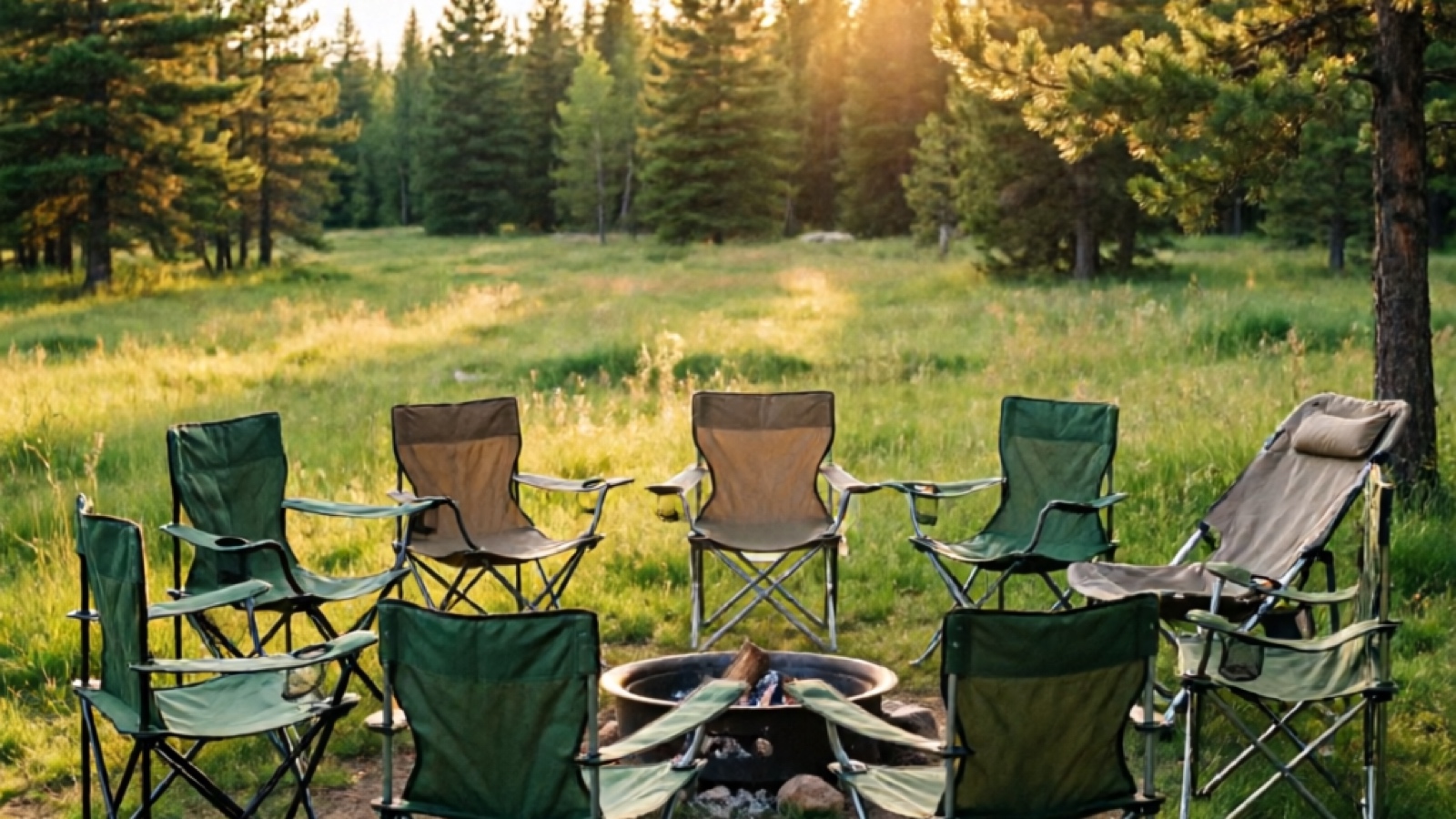
Use existing fire rings at established campgrounds. Do not build new fire pits. If no ring exists, check local regulations — many areas prohibit ground fires entirely, requiring a portable fire pan instead.
Gather three types of fuel: tinder (dry leaves, pine needles, tiny twigs), kindling (pencil-thin sticks), and fuelwood (wrist-thick or larger). Collect three times more than you think you need. The fire always burns faster than expected.
Build a small teepee of kindling over a handful of tinder. Light the tinder at the bottom. As the kindling catches, add progressively larger pieces. Never use gasoline, lighter fluid on hot coals, or aerosol sprays — the flare-up can cause serious burns.
Never leave a fire unattended, even for a minute. Keep a bucket of water and a shovel within arm’s reach. When done, drown the fire with water, stir the ashes, and drown again. If it is too hot to touch, it is too hot to leave.
For full instructions on different fire-building techniques, see our how to build a campfire guide.
Camp Cooking for Beginners
Camp food does not have to be sad. With basic planning, you can eat well with minimal equipment.
Prep at home. Chop vegetables, marinate meat, and pre-measure spices into small containers. The less knife work at camp, the better. Foil packet meals (protein + veggies + seasoning wrapped in foil and placed on coals) are a beginner’s best friend.
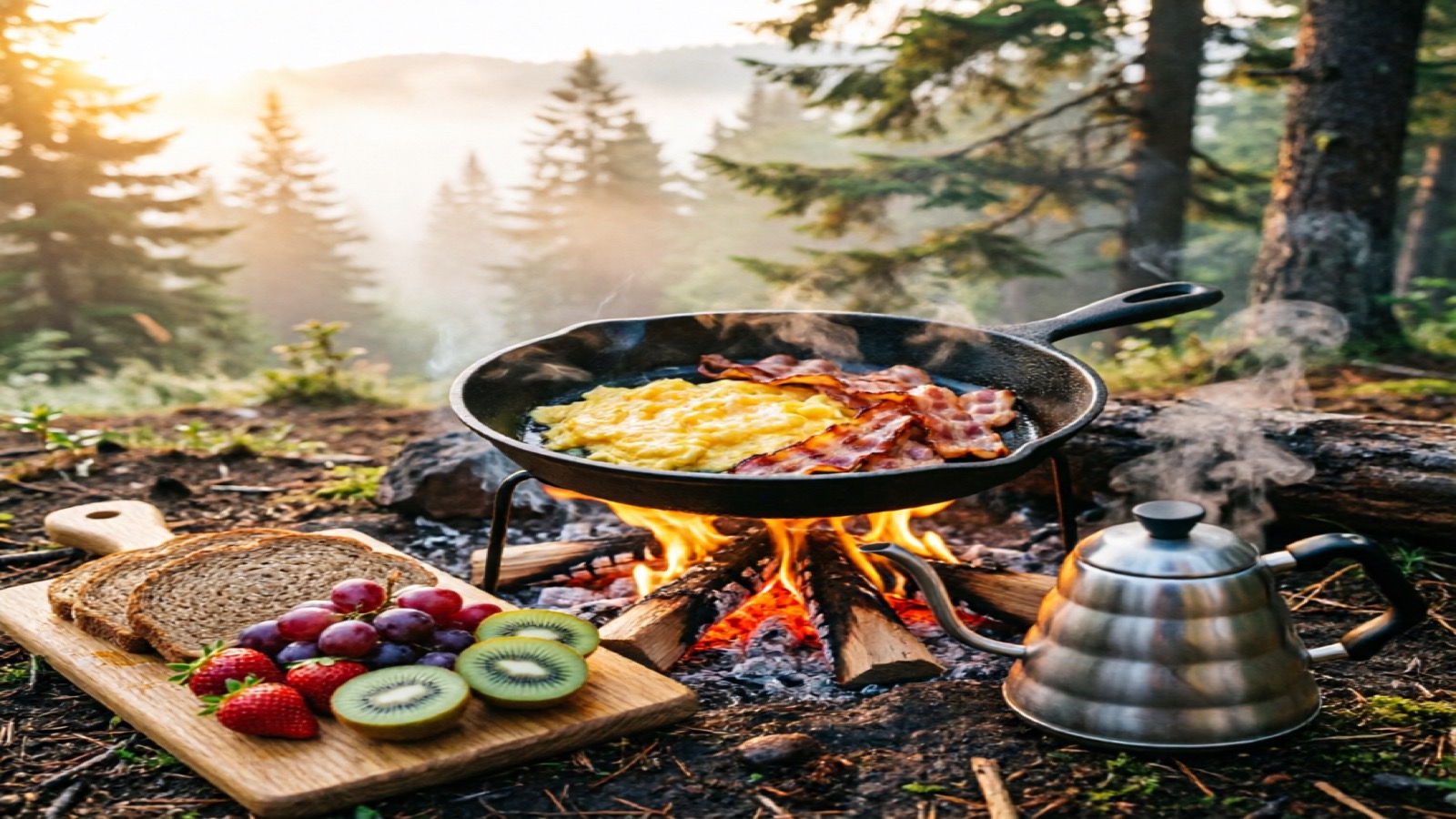
Keep it simple. Hot dogs, burgers, pasta, and breakfast sandwiches are camp classics for a reason — they require one pot or pan and almost no technique. Save the gourmet experiments for trip three or four.
Manage your cooler. Block ice lasts longer than cubes. Keep raw meat in a sealed container at the bottom. Open the cooler as rarely as possible. Drain melt water only when it threatens to submerge your food — the cold water actually helps insulate remaining ice.
Clean up properly. Wash dishes away from your tent and at least 200 feet from any water source. Use biodegradable soap sparingly. Strain food particles from wash water and pack them out with your trash.
Our camping meal plan has a full weekend menu with prep-ahead instructions.
Staying Comfortable While Camping
Discomfort is the number one reason people quit camping for beginners trips. Most of it is preventable.
Sleep is critical. A good sleeping pad matters more than a good sleeping bag. The ground conducts heat away from your body continuously — without insulation underneath, even the warmest bag feels cold. Inflate your pad fully and consider adding a closed-cell foam pad underneath for extra warmth.
Dress in layers. Morning cold, midday heat, and evening chill are all part of the same day. Synthetic or wool base layers wick sweat. A fleece mid-layer traps heat. A waterproof shell blocks wind and rain. Peel layers on and off as conditions change.
Stay dry. Moisture is the enemy of comfort. Change out of sweaty clothes before bed. Keep a dry set of sleep clothes that never leave your tent. If your clothes get wet during the day, hang them in the sun or near (not over) the fire to dry.
Block noise and light. Earplugs and a sleep mask transform a marginal campsite into a decent night’s sleep. Birds start at 5 AM in summer. Campground neighbors stay up late. Protect your sleep aggressively.
For sleep system recommendations, see our sleeping bag guide and best camping sleeping bags picks.
Camping Safety Basics
These camping for beginners safety precautions separate a good trip from a dangerous one.
Check the weather before you leave and again the morning of your trip. Thunderstorms, high winds, and extreme heat are the main threats. Cancel if severe weather is forecast — the woods will be there next weekend.
Tell someone your plans. Share your campsite name, site number, and expected return time with a friend or family member. If you don’t check in, they know to alert authorities.
Wildlife awareness depends on your location. In bear country, store all food, toiletries, and scented items in a bear canister or locked vehicle. In snake country, shake out boots before putting them on and watch where you step. Everywhere, keep a clean camp to avoid attracting animals.
First aid basics: bandages, antiseptic, pain relievers, tweezers (for splinters and ticks), antihistamines (for allergic reactions), and any personal medications. A small kit handles 95% of camp injuries — cuts, burns, blisters, and bug bites.
For a comprehensive safety breakdown, see our camping safety tips.
Common Beginner Mistakes to Avoid
Every experienced camper made these mistakes once. Learn from theirs instead of making your own.
Arriving after dark. Setting up a tent by headlamp is miserable and leads to mistakes like staking over roots or missing the rain fly. Follow the 3-3-3 rule: arrive before 3 PM. This alone prevents most first-trip disasters.
Packing cotton clothing. Jeans and cotton t-shirts hold moisture, lose insulation, and take forever to dry. One rain shower or sweaty hike and you are cold for hours. Synthetic or wool fabrics wick moisture and retain warmth even when damp.
Overpacking gear. First-timers bring everything they own “just in case.” This creates clutter, makes finding things harder, and turns packing up into a chore. Stick to the checklist. Add items only after you have identified a real need on a previous trip.
Forgetting the headlamp. Phone flashlights eat battery, require a free hand, and drop face-first into the dirt. A $15 headlamp is the single best camping investment per dollar.
Cooking inside the tent. Carbon monoxide from camp stoves is odorless and deadly. Condensation from cooking makes everything wet. Food smells attract wildlife to your tent. Cook outside, always, no exceptions.
Not testing gear at home. A tent with missing stakes, a stove with a dead fuel canister, a headlamp with dead batteries — all discoverable in your living room instead of in the dark at camp.
Skipping the rain plan. Check the forecast, but also plan for unexpected rain. A tarp, dry bags, and a positive attitude turn a rainy camping trip into a memorable one. See our camping in the rain guide for 15 wet-weather tips.
Camping with Kids or Pets
Camping with children or dogs adds complexity but also creates the kind of memories families talk about for years.
With kids, start short — one night close to home. Let each child pack a small bag with one comfort item. Plan kid-friendly activities: scavenger hunts, roasting marshmallows, identifying constellations. Keep meals simple and snacks accessible. A hungry child at camp is an unhappy child. Our camping with kids guide has age-specific tips.
With dogs, verify the campground allows pets before booking. Bring a leash (most campgrounds require it), food, water bowl, waste bags, and a tie-out stake. Keep dogs away from other campsites and wildlife. A barking dog at 11 PM is the fastest way to make enemies at a campground. See our pet-friendly camping guide for the full rundown.
Sleeping arrangements matter. Kids sleep warmer than adults but also kick off blankets. A sleeping bag liner adds warmth without bulk. Dogs usually sleep on a pad next to you or in the tent vestibule if the weather is mild.
Your First Trip: A Step-by-Step Timeline
A timeline removes guesswork and prevents the “what do we do now?” feeling that derails beginners.
One week before: Test your tent setup in the backyard or living room. Check all gear against the checklist. Pre-make any meals. Check the weather forecast and campground reservation.
Morning of departure: Pack the cooler last (it stays cold longer). Load the car with tent and sleeping gear accessible — you will need it first. Depart early enough to arrive by 2 PM.
Arrival (2-3 PM): Check in at the campground office. Drive to your site. Walk it to find the best tent location. Set up the tent first, then the cooking area, then the fire ring area.
Late afternoon (3-5 PM): Explore the campground. Locate restrooms, water spigots, and trash. Take a short walk on nearby trails. Collect firewood if allowed.
Evening (5-8 PM): Cook dinner before it gets dark. Clean up while you can still see. Build the campfire. Relax. This is the whole point — sitting by a fire under the stars with nowhere to be.
Bedtime (9-10 PM): Secure all food in the car or bear box. Use the restroom one last time. Layer up for sleep. Earplugs in. The forest sounds different at night — that is part of the experience.
Morning: Wake up naturally or when the sun hits your tent. Make coffee and a hot breakfast. Take down the tent when dew dries (packing a wet tent means mildew later). Clean the campsite. Check out by the posted time.
After: Air out your tent and sleeping bag at home within 24 hours. Note what gear you used and what you didn’t. Plan the next trip — the second one is always better than the first.
Frequently Asked Questions
What do I need for my first camping trip?
The essentials are a tent, sleeping bag, sleeping pad, headlamp, water, food, and a first-aid kit. Add a camp stove and cooler for trips longer than one night. Most beginners spend $150-300 on camping for beginners gear for their first trip — or borrow from friends.
Is camping safe for beginners?
Yes, especially at established campgrounds with amenities like water, restrooms, and ranger stations. Start with car camping at a developed site, check weather before you go, tell someone your plans, and keep a charged phone. The risks are manageable with basic preparation.
What is the 3-3-3 rule for camping?
The 3-3-3 rule suggests: arrive at your campsite before 3 PM, set up camp within 3 hours of arriving, and plan no more than 3 hours of driving per day on multi-day trips. It prevents exhaustion and gives you daylight for setup.
How do I choose a good campsite?
Look for flat, elevated ground with natural drainage. Avoid low spots, dry creek beds, and areas directly under large trees. Check for proximity to water and restrooms. Camp at least 200 feet from lakes and streams unless at a designated site.
What should beginner campers not do?
Don't camp alone your first time, don't skip the weather forecast, don't use cotton clothing (it stays wet), don't cook inside your tent, don't store food in your tent (attracts wildlife), and don't forget a headlamp — phones die and handheld flashlights tie up a hand.
How much does it cost to start camping?
Basic gear runs $150-300 for a tent, sleeping bag, and pad. Borrowing gear cuts this to near zero. Campground fees range from free (dispersed sites) to $15-35 per night at state parks. A weekend trip for two costs $50-100 total after the initial gear purchase.
Can beginners camp in the rain?
Yes — with preparation. Seal tent seams before your trip, bring a tarp for overhead cover, pack dry bags for electronics and clothes, and choose an elevated campsite. See our camping in the rain guide for 15 specific wet-weather tips.
What is the easiest type of camping for beginners?
Car camping at a developed campground. You park next to your site, so weight and pack size don't matter. Amenities like running water, fire rings, picnic tables, and restrooms remove most challenges. It's the closest thing to camping with training wheels.