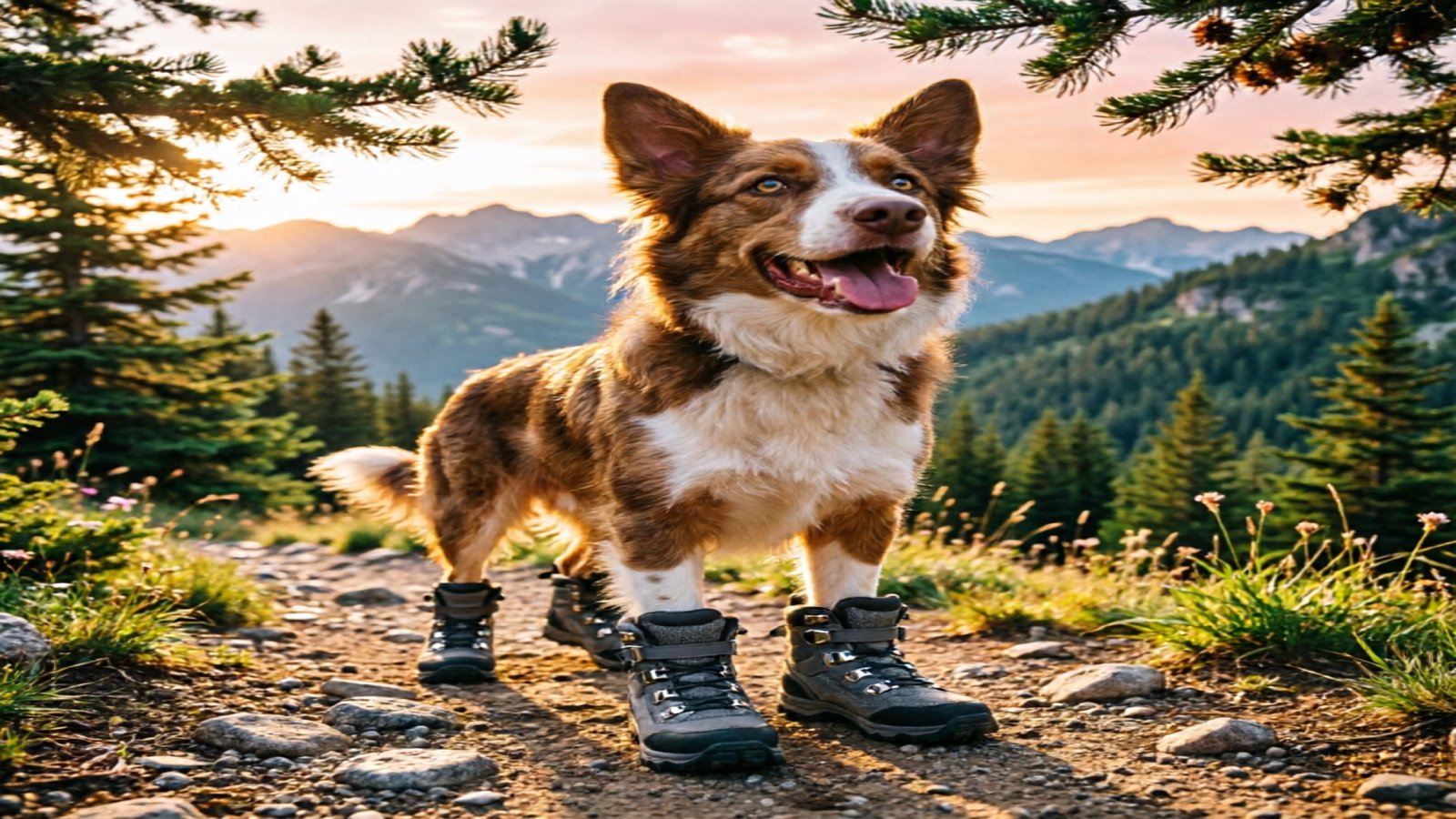
7 Best Dog Boots of 2026: Tested for Hiking, Snow & Hot Pavement
We researched 7 dog boots across hiking trails, snow, and hot pavement. Find the right pair — from budget picks to premium all-weather options.
Products Reviewed
Whether you’re hiking rocky mountain trails with your adventure pup, navigating icy sidewalks during winter walks, or protecting tender paw pads from scorching summer asphalt, the right pair of dog boots makes a real difference. Most dogs don’t need footwear for everyday walks around the neighborhood — but when conditions get extreme, boots go from a cute accessory to genuine protective gear.
We evaluated 7 dog boots across multiple conditions: rocky hiking terrain, snowy winter trails, hot summer pavement, and wet muddy conditions. We focused on fit security, traction, durability, comfort for the dog, and how easy they are for humans to put on and take off. For more on keeping your dog comfortable outdoors, check out our pet-friendly camping guide and our best dog life jackets roundup.
Quick Comparison
| Product | Best For |
|---|---|
| Non-stop Dogwear Protector Bootie | Overall Performance |
| Ruffwear Grip Trex Dog Boots | Hiking & Rough Terrain |
| Ruffwear Summit Trex Dog Shoes | Everyday Value |
| Canada Pooch Hot Pavement Boots | Hot Pavement & Summer |
| Canada Pooch Waterproof Boots | Winter & Cold Weather |
| Ruffwear Polar Trex Winter Dog Boots | Snow & Ice |
| Kurgo Blaze Cross Dog Boots | Budget-Friendly Protection |
What to Consider in a Dog Boot
Sole Type and Traction
Dog boots fall into two categories: sock-style booties with flexible rubber grips, and structured shoes with rigid rubber outsoles. Sock-style boots like the Non-stop Dogwear Protector offer better range of motion and comfort — dogs can flex their toes and feel the ground naturally. Structured boots like the Ruffwear Grip Trex provide superior traction on slippery surfaces and last significantly longer, but restrict natural paw movement.
Fit and Sizing
Proper fit is the single most important factor. Boots that are too loose fall off during activity — boots that are too tight restrict circulation and cause rubbing. Measure your dog’s paw width while bearing weight, not just the length. Different brands have dramatically different sizing charts, so never assume your dog is the same size across brands. Dogs with oval or narrow paws (like Collies and Greyhounds) often struggle with brands designed for round-pawed breeds (like Labs and Retrievers).
Closure System
Velcro closures are the most common, but quality varies enormously. Strong Velcro keeps boots secure during running but can snag fabric and feel difficult to remove. Some boots use dual closures — a Velcro strap plus a cinch cord — for extra security. The best closure systems allow quick on-and-off while preventing boots from twisting or slipping during vigorous activity. Check out our dog life jacket guide for more on dog outdoor gear.
Waterproofing vs. Breathability
Fully waterproof boots keep water out but also trap moisture in, which can lead to sweaty paws and skin irritation on longer walks. Water-resistant boots offer a practical middle ground — they handle light rain and wet grass while still allowing some airflow. For snowy conditions, water resistance paired with insulation strikes the right balance between warmth and dryness.
Non-stop Dogwear Protector Bootie — Best Overall
The Non-stop Dogwear Protector Bootie stands out because it achieves something most dog boots can’t — it’s a boot that dogs actually seem comfortable wearing. The stretchy sock-style design allows full range of paw motion, meaning your dog can flex their toes, feel the ground texture, and walk naturally instead of the stiff-legged high-step that rigid boots cause.
What we like
- Stretchy polythene and nylon upper lets dogs flex paws naturally, reducing the awkward walking gait common with rigid boots
- Nitrile rubber outsole provides reliable grip on rocky trails, icy sidewalks, and wet surfaces without the bulk of a structured shoe
- Wide opening makes them surprisingly easy to pull on, even on dogs who resist having their paws handled
- Single Velcro closure is quick to fasten and keeps boots secure even during running and play
- Lightweight enough that most dogs forget they’re wearing them within minutes
What could be better
- Sock-style fabric won’t last as long as structured rubber-soled boots — expect to replace them after a season of heavy use on abrasive surfaces
- Velcro is extremely strong, which keeps boots on but can feel like it might rip the fabric when removing
- Not fully waterproof — handles snow and light moisture well but will soak through in heavy rain or deep puddles
- Sizing down is recommended if your dog is between sizes, which narrows options for dogs at the upper end of a size range
The Protector Bootie uses a level-five anti-cut material beneath the rubber outsole, providing real protection against sharp rocks, thorns, and glass without sacrificing flexibility. During testing on rocky hiking trails, these boots stayed secure on dogs running at full speed and showed minimal wear after multiple outings. At the price of four boots, they’re positioned as a mid-range option that balances comfort, protection, and affordability. The Non-stop Dogwear brand also makes a Long Distance Bootie that’s even more affordable for occasional use.
Ruffwear Grip Trex Dog Boots — Best for Hiking
When you need serious traction on loose gravel, slick rock, and steep terrain, the Ruffwear Grip Trex Dog Boots deliver. The Vibram rubber outsole is the same type of high-performance rubber used in premium human hiking boots, providing grip that no sock-style bootie can match. If you’re tackling technical trails with your dog — loose scree fields, wet granite slabs, or muddy bank crossings — these are the boots to reach for.
What we like
- Vibram rubber outsole offers exceptional traction on slick rock, loose gravel, and wet surfaces — the best grip of any dog boot we researched
- Durable construction holds up to years of regular use on abrasive surfaces, making them the longest-lasting option in this lineup
- Breathable polyester upper prevents overheating on long hikes, a significant advantage over waterproof boots in warm weather
- Wide range of sizes from 1.5 to 3 inches accommodates most medium to large breeds
- The structured sole provides genuine paw pad protection on sharp, rocky trails that would tear up bare paws
What could be better
- Sizing can be tricky for dogs with oval or narrow paws — the width-to-length ratio may not match your dog’s foot shape
- Not water-resistant or waterproof, so they offer no protection in rain, snow, or puddle conditions
- Higher price point reflects the premium materials, but it’s a significant investment if your dog only needs occasional paw protection
- Rigid sole restricts natural toe flexion — some dogs take longer to adjust to the stiff feel compared to sock-style boots
- The opening is narrower than sock-style competitors, making them harder to put on wiggly dogs
The Grip Trex boots are particularly popular with service dog handlers who need reliable traction on slick indoor flooring like tile and polished concrete. They’re also an excellent choice for dogs with mobility issues or limb differences — the structured sole supports dogs who drag their back feet and provides stability on slippery surfaces. For a more budget-friendly option from the same trusted brand, the Ruffwear Summit Trex offers everyday protection at a lower price.
Ruffwear Summit Trex Dog Shoes — Best Everyday Value
The Ruffwear Summit Trex Dog Shoes take the proven Ruffwear design philosophy and streamline it for everyday paw protection. These are the boots you reach for when your dog needs something between full hiking armor and going barefoot — casual trail walks, light paw protection on rough ground, or keeping paws clean on muddy spring paths.
What we like
- Coated polyester upper strikes a practical balance between durability and flexibility, offering more structure than sock boots without the stiffness of hiking-specific models
- Rubber outsole provides adequate traction for maintained trails and everyday surfaces at a significantly lower price than the Grip Trex
- Easy on-and-off design with a simple Velcro closure that’s less fiddly than multi-strap systems
- Year-round versatility — works well enough for light snow, dry trails, and hot pavement without being specialized for any single condition
- The Ruffwear sizing system is consistent across their product line, so if your dog already fits Ruffwear gear, sizing is straightforward
What could be better
- Lacks the Vibram outsole of the Grip Trex, so traction on truly slick surfaces is noticeably inferior
- Not waterproof — the coated polyester resists light moisture but won’t keep paws dry in sustained rain or deep snow
- The middle-ground approach means these aren’t the best at any single task — not grippy enough for serious hiking, not warm enough for winter, not breathable enough for peak summer heat
- Velcro closure is less aggressive than some competitors, which means boots can twist during high-energy activity
For dog owners who want a reliable, well-made boot from a trusted outdoor brand without paying premium prices, the Summit Trex fills an important niche. They pair well with a dog hiking backpack for day hikes where terrain is moderate but paw protection is still welcome.
Canada Pooch Hot Pavement Boots — Best for Hot Pavement
Summer pavement temperatures routinely exceed 125°F in direct sun — hot enough to blister paw pads in under a minute. The Canada Pooch Hot Pavement Boots are specifically designed to solve this problem with a breathable mesh upper and flexible rubber sole that shields paws from heat while allowing airflow.
What we like
- Breathable mesh upper is the most ventilated design we researched — paws stay cool even on 90°F days with direct sun on the pavement
- Flexible rubber sole provides genuine heat insulation while maintaining enough ground feel for dogs to walk naturally
- Dual closure system — a Velcro strap plus a cinch cord at the top — keeps boots secure during activity better than single-strap designs
- Drainage holes in the sole allow water to escape, making these surprisingly effective as water shoes for kayaking and paddleboarding trips
- Sock-like fit means dogs adapt quickly — the lightweight, flexible construction minimizes the awkward adjustment period
What could be better
- Not waterproof at all — the mesh upper absorbs water quickly, making these a poor choice for rainy conditions
- Breathable mesh provides zero insulation, so these boots offer no warmth in cold weather
- The flexible sole is less durable than structured rubber outsoles and will show wear faster on abrasive surfaces
- Grip on indoor hardwood and tile flooring is less secure than outdoor surfaces — some dogs may slip when transitioning indoors
The Hot Pavement Boots are also a smart choice for protecting paws from hot sand at the beach, rough concrete at skate parks, and chemical residues on treated lawns. The sizing runs true for most breeds, and the flexible construction means they accommodate a wider range of paw shapes than rigid boots. The Canada Pooch brand also makes a waterproof winter boot with a taller shaft and rubber outsole.
Canada Pooch Waterproof Boots — Best for Winter
When temperatures drop below freezing and your dog starts lifting their paws off the ground in discomfort, the Canada Pooch Waterproof Boots ($42.27) keep snow, slush, and road salt off the pads. The taller shaft stops snow from packing in around the ankle, and the anti-slip rubber outsole holds on ice and wet pavement.
What we like
- Waterproof upper keeps paws dry through slush, puddles, and wet snow
- Taller boot height prevents snow, ice balls, and debris from working its way inside during deep-snow walks
- Dual closure with a Velcro strap and top cinch keeps the boots up even in deep snow drifts
- Anti-slip rubber outsole holds on ice and wet pavement
- Easy-on design with a wide opening - faster to get on fidgety dogs
What could be better
- Size runs can be inconsistent - measure the paw and check the brand’s chart before ordering
- No fleece lining, so they protect from wet and salt more than they insulate in deep cold
- Rubber outsole is less grippy on indoor hardwood than on outdoor ice
- Not a summer boot - the waterproof upper traps heat on hot pavement
For dogs living in cold climates where winter walks involve ice, snow, and road salt, the Waterproof Boots are the practical pick. Pair these with a warm dog jacket for complete winter protection on camping trips.
Ruffwear Polar Trex Winter Dog Boots — Best for Snow
For serious winter adventures — backcountry skiing with your dog, extended snowshoeing trips, or living in areas with heavy snowfall — the Ruffwear Polar Trex Winter Dog Boots combine the proven Ruffwear Vibram outsole with winter-specific insulation and weather protection. These are built for dogs who work and play hard in cold conditions.
What we like
- Vibram rubber outsole provides the same exceptional traction on ice and packed snow as the Grip Trex offers on dry trails
- Insulated construction with a polyester and spandex upper keeps warmth in while shedding light snow and moisture
- The structured sole handles rough, frozen terrain that would chew through fabric booties in a single outing
- Excellent durability means these boots handle repeated use on abrasive ice and crusty snow without significant wear
- Ruffwear’s quality control and sizing consistency mean fewer surprises when ordering
What could be better
- Premium pricing makes this the most expensive option in our lineup — a significant investment for casual winter walkers
- The insulated, structured construction is overkill for dogs who only need boots for quick potty breaks in light snow
- Not fully waterproof — the upper resists snow and light moisture but isn’t designed for puddle jumping or heavy rain
- Rigid sole means less natural paw flexion than sock-style alternatives — some dogs find them uncomfortable for extended wear
- Limited color options compared to more fashion-oriented brands
The Polar Trex excels on active winter outings where both traction and warmth matter. If your camping season extends into winter, these boots pair well with cold-weather dog camping gear for snowshoeing day trips and winter cabin weekends. For lighter snow conditions, the Ruffwear Grip Trex offers a non-insulated alternative that still provides excellent grip.
Kurgo Blaze Cross Dog Boots — Best Budget Option
The Kurgo Blaze Cross Dog Boots prove that you don’t need to spend premium prices for functional paw protection. Kurgo designed these boots for year-round use with a nylon mesh upper and rubber outsole that handles a wide range of conditions without breaking the bank.
What we like
- Affordable pricing makes dog boots accessible for owners who need occasional paw protection without investing in premium gear
- Nylon mesh upper is breathable enough for warm weather use while providing enough structure for light trail protection
- Rubber outsole delivers adequate traction on maintained trails, pavement, and light snow — covering the basics well
- Kurgo’s outdoor brand reputation means consistent quality control and a warranty that smaller import brands don’t offer
- The rubber outsole is flexible enough for reasonable paw movement, avoiding the stiffness issues of some budget competitors
What could be better
- Traction doesn’t match the Vibram-equipped Ruffwear models — these will slip on truly slick surfaces like wet rock and polished ice
- Limited size range starting at 2 inches wide excludes many small breeds who also need paw protection
- Not waterproof — the mesh upper absorbs water quickly and offers minimal rain protection
- Durability is adequate for casual use but won’t match premium boots for dogs who wear boots frequently
- The closure system is functional but not as secure as dual-closure designs — boots can twist during high-energy activity
For dog owners new to dog boots, the Kurgo Blaze Cross is a smart entry point. They’re good enough to prove whether your dog will tolerate wearing boots before investing in more expensive options. Kurgo is a well-regarded name in the dog outdoor gear space, and their dog car seat covers and travel gear maintain similar value-focused quality.
How to Choose the Right Dog Boots
Match the Boot to the Conditions
Start with the conditions you’ll actually encounter. Hot pavement demands breathable mesh with rubber soles — insulated winter boots would cause overheating. Snowy trails need water resistance and insulation. Rocky hiking trails benefit most from structured Vibram soles. There’s no single boot that excels in every condition, so be honest about where you’ll actually use them most.
Consider Your Dog’s Paw Shape
Paw shape matters more than most people realize. Round, compact paws (classic “cat feet” found on Labs, Brittanys, and terriers) fit most boots well. Oval or narrow paws (common in Collies, Dobermans, and sighthounds) often struggle with brands designed for round-footed breeds. If your dog has long middle toes or narrow feet, look for brands with wide openings and flexible designs.
Start with Two Boots
If your budget is limited or your dog is new to wearing boots, start with just two boots for the front paws. Front paws bear more weight, encounter more hazards, and are more likely to need protection. Many dogs who can’t tolerate four boots adjust fine to just wearing two on the front. You can always add rear boots later.
Dog Breeds That Benefit Most from Boots
- Greyhounds and Whippets: Thin skin and minimal paw pad calluses make these breeds vulnerable to abrasions on any rough surface
- Senior dogs: Reduced muscle mass and joint stiffness mean older dogs benefit from the extra traction boots provide on slippery surfaces
- Brachycephalic breeds: Bulldogs, Pugs, and French Bulldogs already struggle with temperature regulation — boots help manage extreme surface temperatures
- Herding breeds: Active dogs covering long distances on varied terrain accumulate more paw wear — boots extend comfortable hiking distance
- Small breeds: Low-to-the-ground dogs are closer to surface heat in summer and snow accumulation in winter
Frequently Asked Questions
Does my dog actually need boots? Most dogs don’t need boots for everyday walks. However, boots become essential in specific conditions: hot pavement above 120°F can burn paw pads in minutes, ice and road salt can cause cracking and chemical irritation, and rough hiking terrain can lead to torn paw pads or broken nails. Senior dogs and dogs with mobility issues also benefit from the extra traction boots provide on slippery surfaces.
How do I measure my dog’s paws for boots? Have your dog stand on a piece of paper and trace around the front paw while bearing weight. Measure the widest part for width and from the back of the pad to the tip of the longest toe for length. Most brands require the width measurement. Always check the specific brand’s sizing chart since sizing varies significantly between manufacturers. If your dog is between sizes, sizing down for sock-style boots and up for rigid-sole boots generally works best.
How do I get my dog used to wearing boots? Start indoors by putting one boot on at a time with plenty of treats. Let your dog wear just one boot for a few minutes, then reward and remove. Gradually increase to two boots, then all four. Most dogs walk funny the first few times — this is normal. Keep sessions short and positive. Within 3-5 short sessions, most dogs adjust. Avoid laughing at the funny walk too much, as some dogs pick up on your reaction and feel self-conscious.
Should dog boots be waterproof? It depends on your use case. For rain and puddle jumping, fully waterproof rubber boots like wellies keep paws dry. For snow, water-resistant boots with fleece lining offer better warmth without trapping moisture from sweat. For hiking, breathable non-waterproof boots prevent overheating on long trails. Most outdoor enthusiasts prefer water-resistant over fully waterproof, since completely waterproof boots don’t breathe and can cause paws to sweat and overheat.
Can dogs overheat wearing boots in summer? Yes — dogs dissipate a significant amount of body heat through their paw pads. In summer temperatures, fleece-lined or insulated boots can cause overheating, even during short walks. For hot pavement protection, choose breathable mesh boots with rubber soles that shield from heat while allowing airflow. Remove boots as soon as your dog is off hot surfaces. Watch for excessive panting or reluctance to keep walking.
How long do dog boots last? It depends on the boot type and usage. Structured rubber-soled boots like Ruffwear models can last years with regular use. Sock-style fabric booties typically need replacement after one season of heavy use on abrasive surfaces. Dog nails accelerate wear significantly — keeping your dog’s nails trimmed extends boot life. Rotate between two pairs if you use boots frequently.
References
- Amazon product pages: verified ASINs, pricing, and availability for all 7 products