15 Essential Car Camping Checklist (2026)
The complete car camping checklist for 2026. Organized by category with seasonal variations, printable checkboxes, and only the gear that actuall.
Every forgotten item is a trip to the nearest overpriced gas station. Every overpacked trunk is a setup nightmare when you arrive after dark. This car camping checklist is built for real trips — organized by category, with checkboxes you can print, and seasonal adjustments so you’re not packing a down jacket in July.
We’ve refined this list over dozens of car camping trips. Every item here earns its spot. If it’s not on this list, you probably don’t need it.
Shelter & Camp Setup
These are the items that turn a patch of dirt into a livable space.
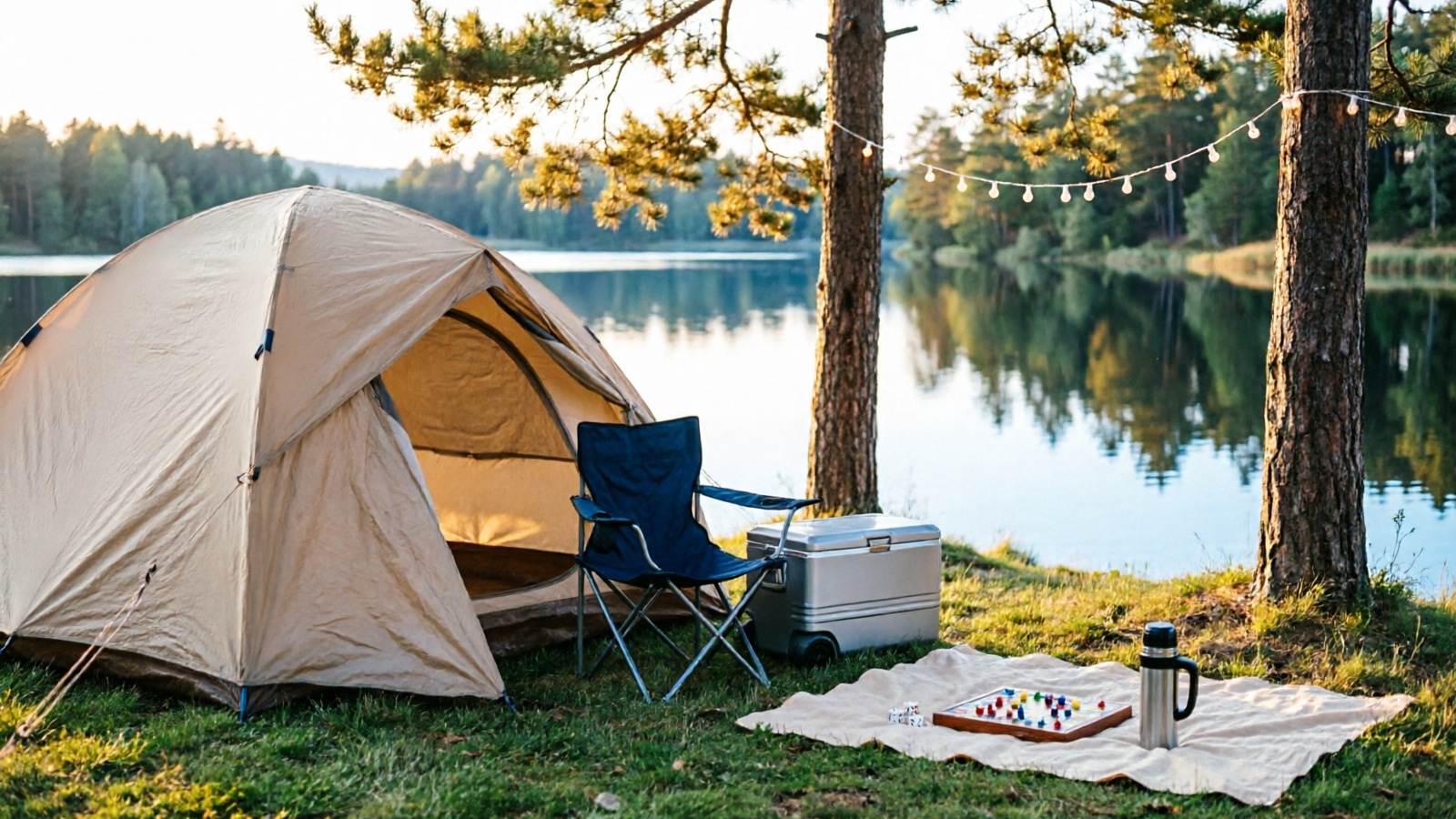
- Tent — Sized up by one person from your group count (see our tent buying guide for specifics)
- Tent footprint or tarp — Protects the tent floor. Trim tarp slightly smaller than tent so rain doesn’t pool underneath
- Rainfly — Even on clear nights. Pack it, set it up
- Stakes and guylines — Check that your tent includes enough stakes. Pack 2–3 extras
- Rubber mallet — For driving stakes into hard ground. Your boot works, but a mallet saves time and blisters
- Camping chairs — One per person. Budget options from Coleman or Amazon Basics start around $35
- Folding table (optional) — Useful for food prep and card games. Many campsites have picnic tables
- Tarp and paracord — For creating a shade shelter or awning over the cooking area
- Headlamp or lantern — 1 per person plus 1 camp lantern. Headlamps keep your hands free; lanterns light up the whole site
- Extra batteries — Check your light sources and pack spares
Sleep System
A bad night’s sleep ruins everything. This is not the category to cut corners.
- Sleeping bag — Rated 10–15°F below the lowest temperature you expect. A 30°F bag works for most summer and fall car camping
- Sleeping pad or air mattress — Ground insulation matters more than you think. Foam pads are cheap and reliable; self-inflating pads (like Therm-a-Rest) offer better comfort
- Air pump — If using an air mattress. Battery-powered pumps cost $15–$25 and save 10 minutes of lung effort
- Pillows — Camping pillows are compact, but a regular pillow from home works fine in the car
- Extra blanket — Even in summer, nights can drop 20–30°F from daytime temps
- Earplugs — Campgrounds are noisy. Rustling tents, owls, and that one group that stays up until 2 AM
- Eye mask — Summer sun rises at 5:30 AM. Your tent walls won’t stop it
Cooking & Kitchen
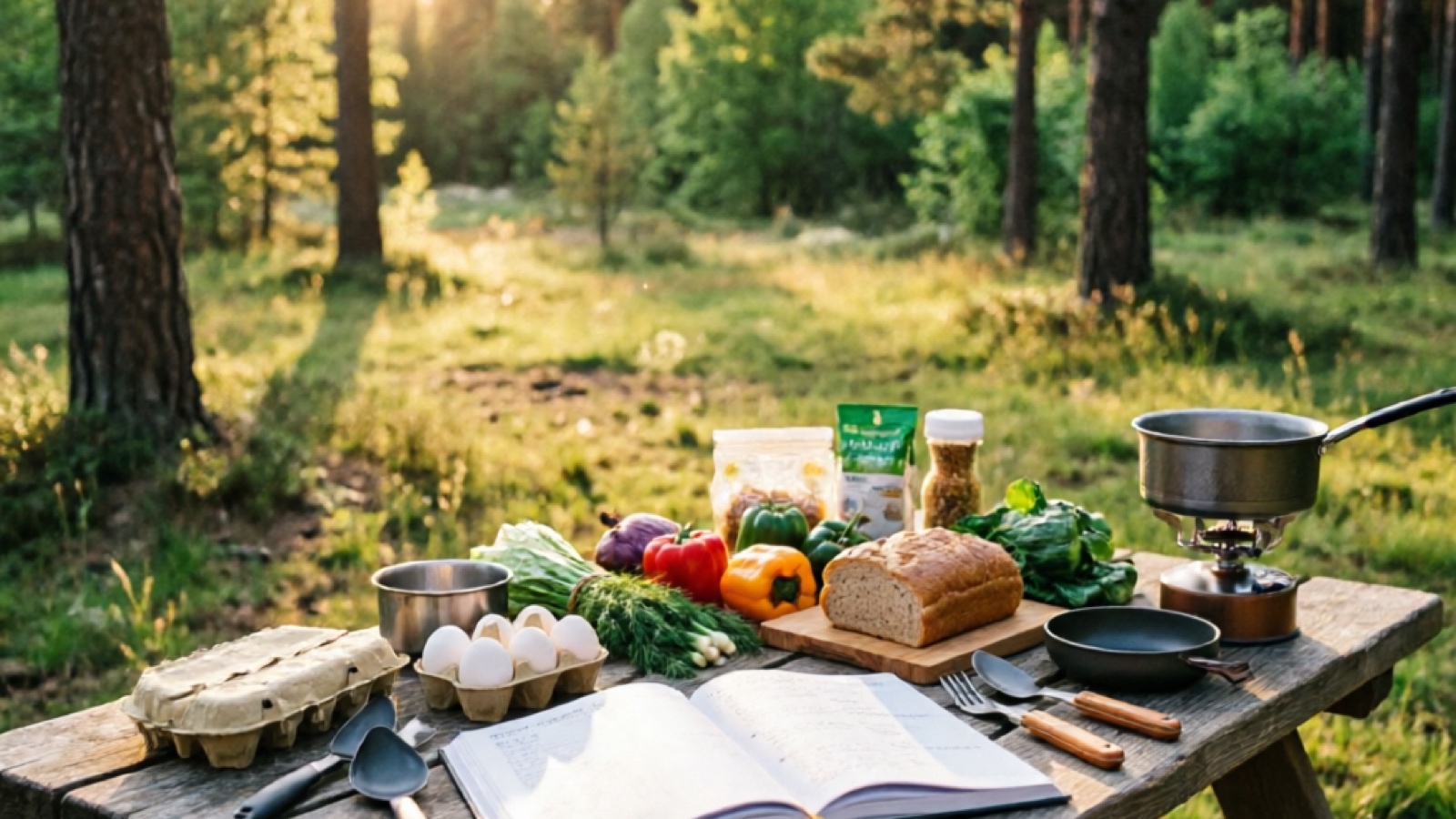
- Camp stove — 2-burner propane (Coleman Classic or Camp Chef Everest, under $100)
- Propane cylinders — 1 per day minimum
- Lighter or waterproof matches — Pack 2
- Cookware — One pot + one pan. Cast iron for car camping, nonstick for lighter
- Utensils — Spatula, tongs, large spoon
- Plates, bowls, cups — Melamine or enameled metal
- Cutting board and knife
- Biodegradable soap and sponge
- Trash bags — Pack more than you think
- Cooler — 48–65 quart for 2–4 people
- Ice — Block ice lasts longer than cubes
- Water — 1 gallon per person per day, reusable bottles
- Food storage — Bear canister where required, sealed bins otherwise
Clothing & Footwear
- Base layers — Moisture-wicking, not cotton
- Insulating layer — Fleece or packable down jacket
- Waterproof jacket — Even a $25 rain shell beats getting soaked
- Hiking pants or shorts — 2 pairs, quick-dry
- Socks — 3 pairs minimum, merino wool preferred
- Underwear — One per day plus 2 extras
- Camp shoes — Sandals or slip-ons for relaxing
- Closed-toe shoes — For hiking and fire safety
- Hat, sunglasses, swimsuit
Health, Safety & Tools
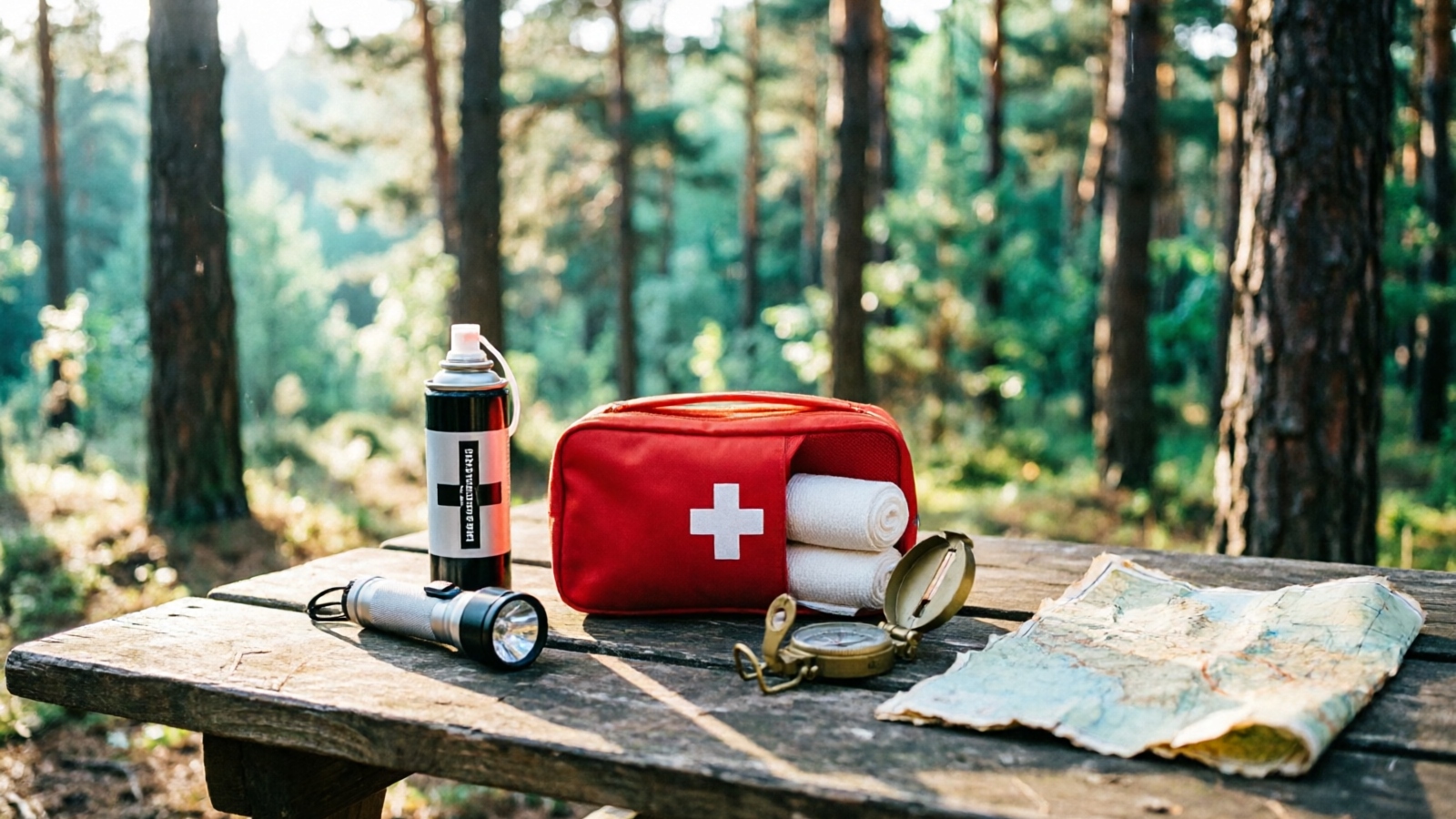
- First aid kit — Bandages, antiseptic, pain reliever, blister treatment ($10–20 pre-made)
- Sunscreen — SPF 30, reapply every 2 hours
- Bug repellent — DEET or Picaridin
- Lip balm with SPF
- Personal medications — Pack extra doses
- Multi-tool or pocket knife
- Duct tape — Wrap 10 feet around a water bottle
- Fire extinguisher — Small, automotive-rated
- Map and compass — Don’t rely solely on phone
- Phone charger + backup battery — 10,000 mAh minimum
- Toilet paper and hand sanitizer
Personal & Hygiene
- Toothbrush, toothpaste, floss
- Quick-dry towel — Microfiber, 1 per person
- Body wipes — Unscented baby wipes
- Deodorant, dry shampoo
- Combination lock — For campsite food lockers
Seasonal Additions
Summer (June – August)
- Battery-powered fan — Clip-on fans that attach to tent ceilings cost under $15 and make a real difference
- Extra water — Heat increases water needs. Add 50% to your normal supply
- Electrolyte powder — Packets of Nuun or Liquid I.V. prevent dehydration
- Sun shade tarp — Create shade over your campsite when there’s no tree cover
- Insect repellent — Bugs are worst in summer. Pack extra
Fall (September – November)
- Warmer sleeping bag — Swap summer 40°F bags for 20–30°F rated bags
- Warm hat and gloves — Mornings can hit freezing even in October
- Thermal base layers — Merino wool or synthetic. No cotton
- Hot drink supplies — Hot chocolate, tea, or coffee. A warm drink in a cold morning is one of camping’s simple pleasures
Winter (December – February)
- 4-season tent — 3-season tents collapse under snow loads
- Sleeping bag liner — Adds 10–15°F of warmth to your sleeping bag
- Insulated water bottle — Nalgene in a wool sock prevents water from freezing overnight
- Chemical hand warmers — Pack for hands and feet
- Snow stakes — Standard stakes pull out of frozen ground. Snow anchors or deadman anchors hold firm
- Extra firewood — Gather more than you think you need. Everything takes longer in the cold
Spring (March – May)
- Rain gear — Spring showers are common and unpredictable
- Extra tarp — For covering gear during rain
- Waterproof boots — Muddy ground is a spring constant
- Allergy medication — Trees and grasses are peak allergen sources in spring
Optional Comfort Items
- Bluetooth speaker
- Hammock and straps
- Camp rug or mat
- Cards or board games
- Portable power station — our best portable power station review helps you match capacity to the gear you plan to run
How to Pack Your Car
For the full beginner walkthrough, see our car camping guide and tent buying guide.
Organization starts before you leave the driveway. A few storage accessories make a big difference: the FORTEM Trunk Organizer is a proven 50-liter foldable bin with non-slip bottom and side straps. For bigger loads, the Snuopfy 115L Trunk Organizer includes an insulated cooler compartment and three divided sections. Need overhead storage too? The Kaskawise Car Ceiling Cargo Net adds a double-layer mesh pocket to your roof space — great for light items that eat up valuable trunk floor. And for the carry from car to campsite, a folding wagon hauls the cooler, jugs, and stove in one trip — see our best camping wagons picks for every terrain.
-
Heavy items on the bottom: coolers, water jugs, camp stove
-
Sleeping bags and pillows last: they fill gaps and are first things you’ll want
-
Keep essentials accessible: tent, stakes, headlamp, water
-
Use plastic bins: clear bins with lids stack and organize
-
Pack a “first night” bag: headlamp, change of clothes, toothbrush, sleeping bag
Related gear reviews: 10 Best Camping Coolers · 10 Best Camping Chairs of
Frequently Asked Questions
What are the absolute essentials for car camping?
Shelter (tent), sleep system (sleeping bag + pad), light source, water, food, cooking tools, and a first aid kit. Everything else is comfort gear.
How is car camping different from backpacking?
Car camping means you drive to your campsite and can bring heavier, bulkier items. Backpacking requires carrying everything on your back, so weight and packability matter. Car campers can bring coolers, camp chairs, cast iron, and multiple changes of clothes.
Do I need a camping stove or can I cook over a fire?
A camping stove is more reliable — it works in rain, wind bans, and fire-restricted areas. A simple 2-burner propane stove costs under $50 and is worth every penny. Cook over a fire when you can, but have a stove as backup.
How much water do I need for a weekend camping trip?
Plan 1 gallon per person per day for drinking and cooking. Add another half gallon per person for washing. For a weekend trip with two people, bring 6–8 gallons minimum.
What food should I bring car camping?
Foods that keep without refrigeration: pasta, rice, canned goods, jerky, nuts, dried fruit, bread, peanut butter. For perishables, use a cooler with ice — hot dogs, burgers, eggs, and cheese last 1–2 days on ice.
Should I bring a hatchet or axe camping?
Only if you plan to build a fire with gathered wood. Many campgrounds sell firewood or allow you to bring your own. A small folding saw is lighter and more versatile than an axe.
What do I need for a campfire?
Firewood, fire starter (newspaper, dryer lint, or commercial fire starters), lighter or matches, and a fire ring if your campsite doesn't have one. Check local fire restrictions before you go.
How do I keep food safe from animals while car camping?
Store all food in your locked car at night. Bears can break into cars in some areas — check local wildlife advisories. Use bear canisters or bear hangs where required. Never keep food in your tent.